Monthly Archives: January 2026

Uncategorized

The rise of custom-made decorative eye lenses.

The Emergence of Custom-Made Decorative Eye Lenses

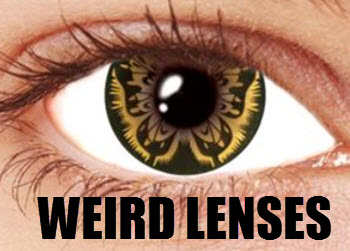
Custom-made decorative eye lenses have seen a significant rise in popularity, with advancements in technology and design offering personalized options for those seeking a unique aesthetic. Unlike traditional corrective lenses, these decorative lenses are primarily used for cosmetic purposes, allowing individuals to experiment with different eye colors and patterns.

Historical Background

The concept of contact lenses can be traced back to the imaginative sketches of Leonardo da Vinci in the 16th century, who speculated about solutions for vision correction. However, turning these speculative designs into practical use took several centuries. By the late 19th and early 20th centuries, glass-blown lenses began making an appearance. It wasn’t until the late 20th century that advancements allowed contact lenses to become widely accessible to the general public. This period also saw a marked improvement in the comfort and quality of lenses, setting the stage for decorative options.

As the idea of lenses shifted from mere vision correction tools to fashion accessories, the potential to transform and customize eye appearance became a captivating pursuit for both manufacturers and consumers alike.

Technological Advancements

The rise of custom-made decorative eye lenses is largely attributed to technological advancements in lens manufacturing. Modern techniques enable the creation of highly detailed and personalized designs that were previously unachievable. One of the key innovations benefitting this evolution is 3D printing, which allows for precise layering and crafting of the lenses to create intricate patterns and colors. Digital imaging technology further enhances this process by providing high-resolution templates that guide the formation of various designs on the lenses.

These technological strides have made it feasible to cater to diverse aesthetic preferences, ensuring an almost infinite array of design possibilities for consumers.

Materials and Comfort

One significant factor driving the adoption of custom lenses is the advancement in materials that marry aesthetics with improved comfort. Modern decorative lenses are most commonly manufactured using soft hydrogel and silicone hydrogel materials. These materials offer optimal oxygen permeability, crucial for maintaining eye health, and they also retain moisture effectively, ensuring comfort during extended wearability.

The material technology employed in these lenses has been tailored to prevent the common issues associated with older lens types, such as dryness and irritation, making them a favored choice among fashion-conscious consumers.

Regulations and Safety

Despite their cosmetic purpose, custom-made decorative lenses are still considered medical devices and are subject to regulation. In many countries, including the United States, the Food and Drug Administration (FDA) regulates the sale of contact lenses. These regulations insist that lenses should be dispensed by licensed professionals. This requirement helps ensure that consumers receive products that meet established safety standards and that they receive adequate instruction on the proper use and care of their lenses.

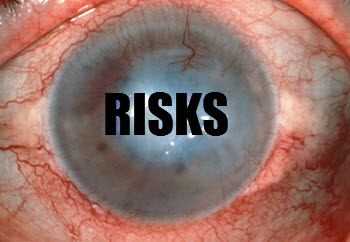
The importance of these regulations cannot be overstated, as improperly designed or used lenses can result in eye infections or other ocular health issues.

Consumer Trends and Market Growth

The market for decorative lenses is expanding rapidly, driven largely by consumer trends in fashion and self-expression. The increasing influence of social media platforms has played a pivotal role in popularizing these lenses, with influencers, makeup artists, and celebrities frequently showcasing new styles and designs. This online visibility has led to a surge in demand for customized lenses that can reflect an individual’s unique personality and style.

Additionally, the vibrant cosplay community has significantly contributed to the popularity and growth of decorative lenses. Cosplay enthusiasts, who often portray fictional characters from various media, seek lenses that enhance their portrayals, offering a more authentic and immersive experience. These lenses allow for accurate character representation by providing eye colors and patterns characteristic of specific characters, making them an essential accessory for many in the cosplay arena.

The Future of Custom-Made Decorative Eye Lenses

Looking ahead, the market for custom-made decorative eye lenses is poised for continued growth. As technology continues to advance, further innovations in materials, design, and production processes are expected to enhance the realism, aesthetic appeal, and comfort of these lenses.

Moreover, as more consumers become aware of these products and as access to them increases, decorative lenses are likely to further cement their place as an integral part of personal style and fashion. This could potentially lead to collaboration between fashion designers and lens manufacturers, resulting in exclusive and thematic lens collections that cater to high-fashion trends.

Additionally, as the demand for sustainable products grows, future developments in lens technology might also focus on eco-friendly materials and processes, aligning with the larger trend of sustainable fashion and accessories.

Conclusion

Custom-made decorative lenses represent a fascinating convergence of fashion, technology, and personal expression. As this market continues to evolve, the balance between creative possibilities and safety concerns will remain crucial. This ensures that consumers can enjoy these products without compromising their ocular health. The continuous dialogue between innovators, regulatory bodies, and consumers will be essential in shaping a future where decorative lenses can be enjoyed safely and creatively by a global audience, ultimately becoming a pivotal part of personal identity and style expression.
Uncategorized

How to dispose of decorative lenses responsibly.

Understanding Decorative Lenses

Decorative lenses, popularly referred to as cosmetic or colored contact lenses, are primarily used to alter the wearer’s eye appearance. These lenses serve as a tool to create a distinctive aesthetic touch, beneficial for various occasions such as fashion events, theatrical presentations, or simply for personal expression. Despite their popularity across different demographics, it’s vital to understand the implications of their use, particularly when it comes to disposal. Effectively managing the life cycle of decorative lenses is essential to reduce any potential environmental impact associated with them.

Environmental Impact of Decorative Lenses

Improper disposal of decorative lenses poses a significant environmental concern. When individuals flush lenses down the toilet or rinse them down the sink, they inadvertently contribute to environmental pollution. Once in the wastewater system, these lenses often travel to wastewater treatment plants. Unfortunately, the lenses do not completely degrade at this stage; instead, they tend to fragment into smaller particles known as microplastics. These microplastics have the potential to enter waterways, thereby posing a threat to marine life and the larger ecosystem. The presence of microplastics in aquatic environments can disrupt food chains and impact biodiversity in significant ways.

Correct Disposal Methods

Discarding decorative lenses in the trash is currently considered the most environmentally responsible method of disposal. Unlike other forms of disposal, this approach ensures that lenses do not directly reach waterways, thus mitigating the associated pollution risks. However, it is important to consult your local waste management authorities for any specific disposal instructions or guidelines. These guidelines can significantly influence how individuals should dispose of used lenses impacting regional waste management efforts.

Utilizing Lens Recycling Programs

Several vision care companies have recognized the environmental implications of contact lenses and offer recycling programs specifically aimed at them. Engaging with such recycling programs provides users with an opportunity to ensure their lenses are recycled efficiently and responsibly. Checking online resources can guide consumers in finding participating brands and local stores offering these recycling initiatives, thus contributing to a more sustainable lifestyle.

Additional Tips for Responsible Disposal

Given the potential environmental implications of improper disposal, consider applying these additional strategies aimed at minimizing the environmental footprint associated with decorative lenses:

Reduce Usage Frequency: Cutting back on the frequency with which decorative lenses are used can directly reduce the quantity of waste generated through their disposal. Each decision to forgo additional use translates to fewer lenses needing disposal, cumulatively minimizing the environmental impact over time.

Plan Thoroughly before Purchase: Thoughtfully planning lens purchases can prevent individuals from amassing an excessive number of lenses. This proactive approach ensures that lenses are obtained according to genuine need rather than impulse, aiding in waste reduction.

Avoid Wastewater Systems

Avoiding the disposal of any form of contact lenses in wastewater systems such as sinks and toilets cannot be emphasized enough. Such actions not only contribute to environmental contamination but also compromise the integrity of aquatic ecosystems. Responsible disposal habits should always prioritize preventing any form of contact lenses from entering wastewater systems.

Educate Others

Education plays a foundational role in promoting responsible disposal practices. Sharing knowledge about the environmental impact of improper disposal and the significance of adhering to appropriate disposal methods can create a ripple effect within communities. By raising awareness among friends and family, individuals can inspire more widespread and effective environmental stewardship, thus amplifying the positive impact.

By committing to responsible disposal methods for decorative lenses, individuals actively contribute to environmental protection efforts. Responsible lens disposal amounts to more than just a single personal choice; it represents an integral step toward preserving our natural surroundings and ensuring sustainable interactions with the environment. Adopting these practices involves not only making environmentally conscious decisions but also empowering others to engage in practices that support a cleaner, healthier planet for future generations.

Uncategorized

The environmental impact of disposable lenses.

The Environmental Impact of Disposable Lenses

The widespread adoption of disposable contact lenses underscores a growing societal preference for convenience in vision correction. Despite their remarkable utility and ease of use, these lenses pose considerable environmental challenges, which are receiving increasing scrutiny. This discussion delves into the multifaceted environmental impact of disposable lenses and explores measures that can be implemented to address these issues efficiently.

Production and Material Composition

Disposable contact lenses are generally crafted from materials such as hydrogel and silicone hydrogel. These materials are favored for their comfort and ability to facilitate oxygen permeability, essential for maintaining eye health. However, the production processes involved are highly energy-dependent. They necessitate significant amounts of water and energy, resulting in a substantial carbon footprint. Furthermore, the manufacturing of packaging materials, predominantly plastic and foil, further compounds the environmental cost. These resources are extracted, processed, and deployed in quantities that underscore a broader challenge of sustainability.

Plastic Waste and Marine Pollution

One of the cardinal ecological challenges presented by disposable contact lenses is the waste they generate. A troubling number of users, often unknowingly, dispose of these lenses by flushing them down toilets or sinks. This practice facilitates their entry into aquatic systems, exacerbating the critical issue of microplastic pollution. Once in marine environments, these plastic particles can persist for extended periods, causing harm to aquatic organisms ranging from plankton to larger marine life. The ingestion of microplastics by marine fauna not only affects individual organisms but can also disturb entire ecosystems, challenging the stability of food chains and biodiversity.

Consumer Disposal Habits

The environmental footprint of disposable lenses is significantly influenced by consumer disposal practices. Numerous studies indicate a pervasive lack of awareness regarding proper disposal methods among contact lens users. This issue highlights a pressing need for comprehensive public education initiatives. Manufacturers and environmental authorities must collaborate to bolster public awareness campaigns. These initiatives should aim to inform consumers about appropriate disposal techniques, emphasizing the importance of ensuring lenses do not contribute to terrestrial or aquatic pollution.

Recycling Challenges

Recycling disposable contact lenses presents another significant hurdle in the quest for sustainability. The specific size, shape, and material properties of these lenses make them particularly challenging to recycle. Consequently, the availability and convenience of recycling programs are limited. Without accessible recycling solutions, a large proportion of these lenses invariably end up in landfills or are otherwise improperly discarded. Addressing these recycling challenges necessitates innovative approaches, such as developing specialized recycling technologies and expanding program accessibility to encourage greater participation.

Steps Towards Mitigation

Mitigating the environmental impact of disposable lenses calls for concerted efforts from both manufacturers and consumers. For manufacturers, there is a clear mandate to explore and invest in the development of eco-friendly materials. Innovating these materials to provide the same or superior levels of comfort and usability while minimizing environmental impact is crucial. Furthermore, manufacturers can take a proactive stance in encouraging recycling by promoting and supporting recycling programs that are more widely accessible and user-friendly.

For consumers, adopting responsible disposal habits is key. By utilizing disposal methods that avoid contributing to plastic pollution, consumers can make a meaningful impact. Opting for reusable contact lenses is another avenue through which individuals can lessen their environmental footprint. These alternatives, although requiring more maintenance, are sustainable options that mitigate the waste associated with disposable lenses. Participation in available recycling programs, whenever possible, constitutes another vital consumer action that can contribute to broader environmental benefits.

Understanding the environmental repercussions of disposable lenses is pivotal in cultivating sustainable usage and disposal practices. Both industry stakeholders and consumers have integral roles in minimizing this impact. Balancing convenience with environmental responsibility is essential in ensuring that the benefits of disposable lenses are not overshadowed by their ecological costs.

Uncategorized

Seasonal trends in decorative lens designs.

Introduction to Seasonal Trends in Decorative Lens Designs

Decorative lenses, also known as cosmetic contact lenses, have gained popularity over the years due to their ability to enhance or completely change the color of the eyes. Fashion trends and cultural events significantly influence the designs of these lenses. Understanding these seasonal trends can be beneficial for consumers and retailers alike.

Winter Wonderland: Cool and Icy Lens Designs

During the winter months, lens designs often mirror the cool and crisp nature of the season. Colors like icy blue, silver, and shades of white are predominant. These lenses aim to evoke a sense of winter magic, aligning with seasonal events and holidays such as Christmas and New Year’s Eve. Some lenses during this period may also feature subtle patterns resembling snowflakes or frosty patterns.

Characteristics of Winter Lenses

Winter lenses are typically subtle yet striking. The colors tend to be muted to reflect the serenity of the winter season. In terms of technology, manufacturers often incorporate high-definition printing techniques to ensure that the delicate patterns, like snowflakes or icy structures, are clearly visible. This adds a layer of sophistication and elegance to the lenses.

Spring Awakening: Pastel and Floral Inspirations

When spring arrives, there is a notable shift towards softer and more natural hues. Pastel shades such as light pink, lavender, and mint green become more common in decorative lenses. Designs may also include floral patterns or gradients that reflect the blossoming of nature. This trend aligns with the overall theme of renewal and growth associated with springtime.

Spring Design Techniques

In the spring, manufacturers experiment with translucent lenses that blend pastel colors seamlessly. This approach results in lenses that enhance the natural eye color while adding a hint of spring-like vibrancy. The integration of floral designs is often achieved through specialized layering techniques that ensure durability and comfort for the wearer.

Summer Vibes: Bold and Vibrant Choices

Summer trends in decorative lens designs are often characterized by bold and vibrant colors. Bright blues, greens, and even unconventional colors like orange and yellow emerge during this season. These lenses are designed to complement the warmer climate and are frequently used in festivals and outdoor events. Some lenses may feature striking patterns or motifs reminiscent of tropical themes or beach landscapes.

Summer Lens Innovations

In the summer, the focus is on crafting lenses with robust UV protection. This is particularly important as wearers are likely to engage in outdoor activities. The vibrant colors often come from advanced dyeing techniques allowing the lenses to maintain their brightness without compromising on safety. Additionally, summer lenses might incorporate thematic designs such as waves, palm leaves, or even abstract art patterns.

Autumn Aesthetic: Earthy and Warm Tones

Autumn introduces a palette of earthy tones with decorative lenses incorporating colors such as browns, copper, and warm greens. The lens designs during this period often draw inspiration from the changing leaves and the overall autumnal atmosphere. Some lenses may also incorporate subtle detailing like leaf motifs or gradient shifts that mimic the season’s color transitions.

Autumn Lens Craftsmanship

The transition to autumn sees a shift in the manufacturing process towards creating depth within the lenses. By using multiple layers of different tones, manufacturers can effectively capture the complex nature of fall foliage. This season also encourages the use of matte finishes, adding to the rich, organic look that many users desire for a more natural appearance.

Influence of Cultural and Fashion Events

In addition to seasonal changes, cultural and fashion events play a pivotal role in shaping decorative lens trends. For instance, during Halloween, there is an increase in demand for lenses with bolder, more dramatic designs, including options that create animal eyes or supernatural effects. Fashion weeks and celebrity endorsements can also introduce new styles and patterns to the market, reflecting broader trends in the fashion industry.

Impact of Fashion Weeks

The timing of major fashion weeks aligns with changes in seasonal trends. New York, London, Milan, and Paris Fashion Weeks often serve as platforms where avant-garde designs in eyewear can gain exposure. The trickle-down effect of these high-fashion events can create demand for more experimental lens designs, blending daring colors and shapes with traditional seasonal palettes.

Special Occasion Lenses

Cultural festivities such as Diwali, Chinese New Year, or Mardi Gras influence lens designs to incorporate colors and symbols important to these events. For example, during Diwali, gold and red lenses may become popular choices, symbolizing prosperity and luck.

Conclusion

The ever-evolving trends in decorative lens designs highlight the dynamic nature of fashion and consumer preferences. By staying attuned to seasonal influences and cultural events, manufacturers and consumers can better anticipate and embrace new trends in decorative lenses. Understanding these changes can help consumers select the perfect lenses for their desired look, ensuring both style and comfort. For more information on current decorative lens trends, please refer to relevant resources on health and fashion websites.