The Emergence of Custom-Made Decorative Eye Lenses
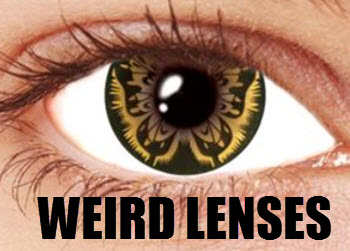
Custom-made decorative eye lenses have seen a significant rise in popularity, with advancements in technology and design offering personalized options for those seeking a unique aesthetic. Unlike traditional corrective lenses, these decorative lenses are primarily used for cosmetic purposes, allowing individuals to experiment with different eye colors and patterns.
Historical Background
The concept of contact lenses can be traced back to the imaginative sketches of Leonardo da Vinci in the 16th century, who speculated about solutions for vision correction. However, turning these speculative designs into practical use took several centuries. By the late 19th and early 20th centuries, glass-blown lenses began making an appearance. It wasn’t until the late 20th century that advancements allowed contact lenses to become widely accessible to the general public. This period also saw a marked improvement in the comfort and quality of lenses, setting the stage for decorative options.
As the idea of lenses shifted from mere vision correction tools to fashion accessories, the potential to transform and customize eye appearance became a captivating pursuit for both manufacturers and consumers alike.
Technological Advancements
The rise of custom-made decorative eye lenses is largely attributed to technological advancements in lens manufacturing. Modern techniques enable the creation of highly detailed and personalized designs that were previously unachievable. One of the key innovations benefitting this evolution is 3D printing, which allows for precise layering and crafting of the lenses to create intricate patterns and colors. Digital imaging technology further enhances this process by providing high-resolution templates that guide the formation of various designs on the lenses.
These technological strides have made it feasible to cater to diverse aesthetic preferences, ensuring an almost infinite array of design possibilities for consumers.
Materials and Comfort
One significant factor driving the adoption of custom lenses is the advancement in materials that marry aesthetics with improved comfort. Modern decorative lenses are most commonly manufactured using soft hydrogel and silicone hydrogel materials. These materials offer optimal oxygen permeability, crucial for maintaining eye health, and they also retain moisture effectively, ensuring comfort during extended wearability.
The material technology employed in these lenses has been tailored to prevent the common issues associated with older lens types, such as dryness and irritation, making them a favored choice among fashion-conscious consumers.
Regulations and Safety
Despite their cosmetic purpose, custom-made decorative lenses are still considered medical devices and are subject to regulation. In many countries, including the United States, the Food and Drug Administration (FDA) regulates the sale of contact lenses. These regulations insist that lenses should be dispensed by licensed professionals. This requirement helps ensure that consumers receive products that meet established safety standards and that they receive adequate instruction on the proper use and care of their lenses.
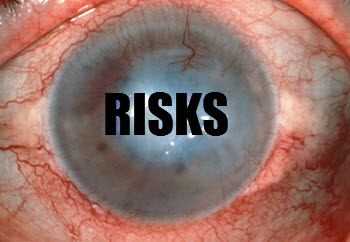
The importance of these regulations cannot be overstated, as improperly designed or used lenses can result in eye infections or other ocular health issues.
Consumer Trends and Market Growth
The market for decorative lenses is expanding rapidly, driven largely by consumer trends in fashion and self-expression. The increasing influence of social media platforms has played a pivotal role in popularizing these lenses, with influencers, makeup artists, and celebrities frequently showcasing new styles and designs. This online visibility has led to a surge in demand for customized lenses that can reflect an individual’s unique personality and style.
Additionally, the vibrant cosplay community has significantly contributed to the popularity and growth of decorative lenses. Cosplay enthusiasts, who often portray fictional characters from various media, seek lenses that enhance their portrayals, offering a more authentic and immersive experience. These lenses allow for accurate character representation by providing eye colors and patterns characteristic of specific characters, making them an essential accessory for many in the cosplay arena.
The Future of Custom-Made Decorative Eye Lenses
Looking ahead, the market for custom-made decorative eye lenses is poised for continued growth. As technology continues to advance, further innovations in materials, design, and production processes are expected to enhance the realism, aesthetic appeal, and comfort of these lenses.
Moreover, as more consumers become aware of these products and as access to them increases, decorative lenses are likely to further cement their place as an integral part of personal style and fashion. This could potentially lead to collaboration between fashion designers and lens manufacturers, resulting in exclusive and thematic lens collections that cater to high-fashion trends.
Additionally, as the demand for sustainable products grows, future developments in lens technology might also focus on eco-friendly materials and processes, aligning with the larger trend of sustainable fashion and accessories.
Conclusion
Custom-made decorative lenses represent a fascinating convergence of fashion, technology, and personal expression. As this market continues to evolve, the balance between creative possibilities and safety concerns will remain crucial. This ensures that consumers can enjoy these products without compromising their ocular health. The continuous dialogue between innovators, regulatory bodies, and consumers will be essential in shaping a future where decorative lenses can be enjoyed safely and creatively by a global audience, ultimately becoming a pivotal part of personal identity and style expression.
 Cosmetic Contact Lenses