The Role of Lenses in Gothic and Alternative Fashion
Gothic and alternative fashion are renowned for their distinctive and often dramatic visual aesthetics, in which lenses play a crucial role. These lenses are not merely practical tools for vision correction but have become significant fashion accessories in their own right, contributing to the overall expression of personal style within these subcultures.
Enhancing Aesthetics
In gothic and alternative fashion, the use of colored and decorative lenses can substantially alter one’s appearance to align more closely with the desired aesthetic of the subculture. One of the ways these lenses are used is to create an otherworldly or ethereal look, often by adopting unnatural colors like red, purple, or opaque white. The inclusion of such lenses can amplify the eeriness or mystical qualities that are often celebrated in these fashion styles.
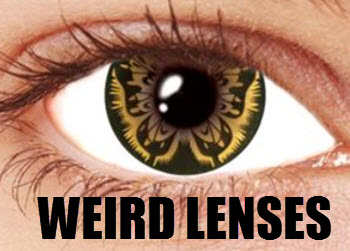
For those interested in more elaborate designs, special effect lenses offer unique patterns or motifs, such as spirals, spider webs, or crosses, which provide a surreal or supernatural effect to the eyes. These distinctive attention-grabbing designs serve as a focal point and are often paired with intricate makeup and clothing to complete the look.
Historical Context and Evolution
The adoption of decorative lenses in gothic and alternative fashion traces back to early influences from theater and cinema, where special effects lenses were used to dramatize characters. Over time, these elements have been embraced and adapted by fashion-forward individuals in the gothic scene, allowing them to embody personas that range from vampiric to futuristic.
As lens technology has advanced, so too has the variety and quality of available lenses. The more recent surge in their popularity can be linked to improvements in manufacturing, which allow for safer and more comfortable wear, expanding their use from occasional events to daily wear.
Safety and Considerations
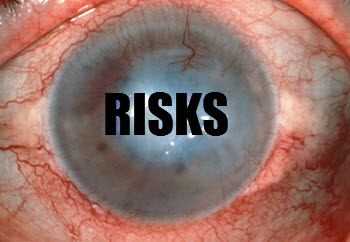
While lenses offer a wide range of aesthetic possibilities, it is crucial to prioritize safety and hygiene. Individuals interested in wearing lenses, particularly decorative ones, should ensure they are purchasing from reputable vendors. Proper cleaning, storage, and care are essential to prevent infections and other potential eye health issues.
Furthermore, both prescription and non-prescription lenses should ideally be fitted by an eye care professional. This ensures proper fitting, comfort, and adherence to any vision correction needs the wearer might have.
Conclusion
Lenses have become an indispensable accessory within gothic and alternative fashion, offering wearers the ability to experiment with their appearance and to adhere more closely to the aesthetic ideals of these subcultures. As this fashion trend continues to evolve, so too will the options and innovations related to lenses, further enhancing their role in creative self-expression.
The historical journey of lenses within fashion, particularly within gothic and alternative subcultures, reveals fascinating insights into the intersection of technology, art, and personal style. Theatrical productions and cinema first introduced the world to the potential transformative power of lenses, using them to deliver striking visual narratives and compelling character portrayals. This implementation of lenses not only heightened theatrical experiences but also ignited a spark in the fashion domain. Recognizing their potential, early adopters within the gothic scene embraced these visual tools, incorporating them to construct powerful and intriguing looks that went beyond traditional style boundaries.
Today’s lenses used in gothic and alternative fashion range widely, employing modern technological advancements to produce vibrant hues and intricate designs that are both safe and visually effective. This development didn’t happen overnight; it was spurred by shifts in consumer demands and technological achievements in lens production. Initially designed to be thick and less breathable, the lenses of the past posed challenges in comfort and safety. However, as consumer needs began to pivot towards convenience and long-lasting comfort, the lens industry responded with innovations in material and manufacturing processes.
Modern lenses now boast attributes such as increased oxygen permeability and advanced moisture retention, making them suitable for extended wear. These attributes have not only broadened their appeal but also allowed for greater freedom and flexibility in fashion experimentation. For the passionate gothic fashion follower, lenses have unlocked a visual language that speaks to the expressive, inclusive, and boundary-pushing nature of the subculture.
Within the context of gothic and alternative dress, the personalized selection of lenses allows for a nuanced exploration of identity. Colors and patterns are meticulously chosen to not only complement outfits but to convey deeper aesthetic ideologies. This selection ritual is as individual as the wearer, often influenced by factors such as personal preferences, trending styles, and even seasonal changes.
In practical terms, the use of colored lenses in fashion is a testament to the dynamic and evolving nature of style. Fashion enthusiasts find themselves at a crossroads where personal expression and technological advancement meet, leading to the creation of groundbreaking styles that challenge societal norms and expectations. This intrinsic power of lenses to transform and define fashion narratives continually attracts new audiences to the subcultures of gothic and alternative fashion, broadening their appeal and ensuring their evolution.
With an increasing number of fashion platforms, both online and offline, spotlighting these alternative styles, there is a growing acceptance and curiosity among mainstream audiences about gothic and alternative aesthetics. Lenses play a significant role in facilitating this curiosity, acting as a gateway for fashion enthusiasts to experiment with bold looks without making drastic permanent changes. This temporary transformation capability aligns perfectly with the gothic subculture’s ethos of impermanence and metamorphosis.
Moreover, special events such as fashion shows, conventions, and themed parties fuel the demand for uniqueness offered by decorative lenses. These gatherings serve as showcases for the most innovative aesthetic interpretations, inspiring attendees and propelling lens trends forward. As these subcultures gain more mainstream traction, it is anticipated that lens designs will continue to diversify, offering wearers even more opportunities to explore their creativity and personal style.
In conclusion, lenses in gothic and alternative fashion represent more than a mere accessory; they are a tool for storytelling, a medium through which wearers can craft and communicate their unique identities. As technology continues to evolve alongside fashion, the possibilities for lens design and application appear limitless. The future of lenses in alternative fashion subcultures will likely see further integration of technology, perhaps incorporating digital elements or responsive designs that adapt to environmental changes.
The potential for lenses to shape and define gothic and alternative aesthetics will persist as long as there are creators and innovators willing to push the boundaries of what is possible. These fashion subcultures thrive on individuality and expression, elements that are abundantly provided for by the ever-evolving possibilities of lenses.
 Cosmetic contact lenses