Monthly Archives: April 2026

Uncategorized

The importance of regular eye checkups for lens users.

Understanding the Necessity of Regular Eye Checkups for Lens Users

Wearing contact lenses has become an increasingly popular alternative to traditional eyeglasses due to their convenience and aesthetic appeal. However, this convenience comes with a responsibility that cannot be overlooked: the necessity of regular eye examinations. Regular checkups for contact lens users are more than just a precautionary measure; they are crucial for maintaining ocular health and ensuring the lenses continue to fit properly, which in turn helps in preventing numerous potential complications.

Why Regular Eye Checkups Are Essential

For those who rely on contact lenses, maintaining consistent eye examinations is paramount. The reasons for these routine visits are manifold and rooted in the nuances of eye health, which can fluctuate over time. The eyes are susceptible to a myriad of changes due to factors such as age, environment, or health conditions. Regular consultations with an eye care provider allow for the prompt identification of any arising concerns, whether they are related to the health of the eye or the effectiveness of the lenses being worn. This proactive approach can significantly mitigate the risks associated with contact lens use, such as infections or developing intolerance to the lenses themselves.

Monitoring the Fit and Condition of Contact Lenses

A critical aspect of contact lens use is ensuring that they fit correctly. The fit of a contact lens affects comfort and plays a significant role in how lenses perform. Ill-fitting lenses can not only cause significant discomfort but also give rise to serious issues like corneal abrasions. During an eye exam, specialists like optometrists or ophthalmologists meticulously evaluate the contact lenses’ fit, making sure they are well-suited to the wearer’s eye shape and size. Routine examinations are also crucial as they allow for the necessary updates to lens prescriptions, ensuring optimal vision correction and comfort.

Preventing Eye Infections and Complications

The use of contact lenses inherently increases the risk of eye infections, predominantly when proper hygiene practices are neglected. During regular eye checkups, professionals can detect early signs of infection or irritation, significantly lowering the chance of severe complications. These visits also serve as an excellent opportunity for eye care practitioners to discuss and reinforce good hygiene practices with their patients. From proper cleaning techniques to safe storage methods for lenses, eye care professionals can provide invaluable advice to help lens users maintain exemplary hygiene standards, thus safeguarding their eye health.

Identifying Changes in Vision

Human vision is not static; it can undergo changes either gradually or unexpectedly. Without the structure provided by regular eye exams, these changes may remain unnoticed, resulting in eye strain or inadequate vision correction over time. Consistent monitoring by an eye care practitioner can reveal even subtle changes in vision, enabling the timely adjustment of contact lens prescriptions. This proactive management ensures that contact lens users enjoy optimal vision correction and comfort without interruption.

Professional Advice and Education

Beyond examining the eyes, routine eye visits present an excellent opportunity to gain professional advice and learn more about maintaining eye health. Eye care professionals are well-equipped to offer suggestions on new types of lenses that might provide enhanced comfort or better vision. They can also introduce different handling techniques to improve the lens-wearing experience. Additionally, these experts can educate patients on eye-safe habits and recommend products that contribute positively to overall eye health. Knowledge is power, and the knowledge acquired during these sessions can empower lens users to take proactive steps toward preserving their vision.

The Broader Impact of Regular Checkups

Routine eye examinations have broader implications beyond the immediate benefits to lens users. They enable the early detection of general health issues that might manifest through eye-related symptoms. Conditions such as diabetes and hypertension can initially present with changes in ocular health. Eye care professionals can observe signs that prompt further investigation and treatment by other healthcare providers. Thus, regular eye exams not only safeguard vision but also potentially spotlight broader health concerns.

Personalizing the Contact Lens Experience

Advancements in contact lens technology continue to evolve, offering improved comfort, clarity, and convenience. During regular eye checkups, eye care providers can personalize the lens experience for each patient. They discuss new developments and help choose lenses that align best with their individual lifestyle and needs, whether it’s for daily wear, extended wear, or specific vision correction requirements. This personalized approach ensures that each person gets the most out of their contact lenses, maximizing satisfaction and minimizing issues.

Conclusion

While contact lenses provide many benefits, they also come with responsibilities that must not be underestimated. Regular eye checkups are an essential component of maintaining ocular health and ensuring that vision remains clear and uncompromised. These examinations are not only about preserving vision but are also critical in preventing complications, ensuring accurate lens prescriptions, and providing a platform for professional advice and learning. For those seeking more information on maintaining eye health as a contact lens user, resources such as comprehensive guidelines provided by professional eye care organizations can be invaluable. By adhering to these practices and engaging regularly with eye care providers, lens users can enjoy the benefits of their lenses while maintaining optimal eye health.

Uncategorized

The best eye drops for lens wearers.

Introduction

For individuals who rely on contact lenses, maintaining proper eye hydration and comfort is essential in ensuring a pleasant wearing experience. Choosing the right eye drops can significantly enhance this experience by reducing dryness and irritation, common challenges faced by many contact lens users. It is crucial to select drops specifically formulated for contact lens users to avoid potential adverse effects and prolong the life of the lenses.

Understanding Eye Drops for Contact Lens Wearers

Eye drops formulated for contact lens wearers are often crafted without preservatives due to the risk of these substances accumulating on the lens and causing discomfort. These drops are intended to provide relief from dryness, enhance comfort, and help maintain the moisture balance of the eyes. Since contact lenses can sometimes restrict tear production, these specialized eye drops help mimic natural tears, offering a soothing effect.

Types of Eye Drops Suitable for Lens Wearers

Contact lens users have primarily two types of eye drops to consider for effective eye hydration and comfort:

Rewetting Drops: Specifically designed for contact lenses, rewetting drops aim to hydrate the lens surface, enhancing comfort and extending wear time throughout the day. They work by moisturizing the lens surface, which can otherwise become dry due to environmental factors like air conditioning or prolonged screen time.

Lubricating Eye Drops: While not all lubricating drops are suitable for use with lenses, specific formulations are safe and provide a more enduring moisturizing effect by replenishing moisture on the eye’s surface. These types of drops are particularly beneficial for users who experience more severe dryness.

Key Ingredients to Look for

When selecting eye drops compatible with contact lenses, certain ingredients play a critical role in their effectiveness:

Hypromellose: A common lubricating agent found in eye drops, hypromellose helps by increasing the viscosity of the solution, thereby providing a protective layer over the eye. This can ease any irritation and offer more comfort for lens wearers.

Glycerin: Renowned for its hydrating properties, glycerin can stabilize the tear film, thereby preventing the eye from drying out. This stabilization is crucial as a well-maintained tear film ensures that lenses remain comfortable throughout the day.

Sodium Hyaluronate: This ingredient is praised for its excellent moisture-retentive properties. Often used in premium eye drop formulations, sodium hyaluronate promotes long-lasting relief, making it an ideal choice for contact lens users seeking continuous moisture throughout their day.

Recommendations and Considerations

Before settling on a particular eye drop, it is advisable to consult with an eye care professional to ensure compatibility with your specific lenses and individual eye health needs. An eye care professional can offer personalized advice based on the specific characteristics of your eyes and any underlying conditions you might have.

Leading brands provide formulations tailored to the needs of contact lens wearers, presenting options for different levels of dryness and sensitivity. These options make it more straightforward to find a product that aligns perfectly with your needs. Always remember to closely follow the instructions provided by the manufacturer to achieve the best outcomes and prevent any potential issues associated with incorrect usage.

For those seeking more detailed information on caring for contact lenses, the American Optometric Association offers resources that can be very informative. Proper use of these resources and consistent consultation with a professional will ensure that you maximize your contact lens experience without risking your eye health.

Additional Considerations for Eye Care

Beyond selecting the correct eye drops, contact lens wearers should adopt a comprehensive approach to eye care to maintain optimal vision and comfort. An awareness of personal habits, environmental factors, and routine practices can significantly impact overall eye health.

Environmental Factors Affecting Eye Moisture

Ambient conditions such as low humidity, wind, and temperature extremes can influence eye moisture levels. For instance, environments with air conditioning or heating systems can accelerate evaporation of the tear film, increasing the likelihood of dryness, especially for contact lens users.

Managing Screen Time

The increase in screen use during both work and leisure can exacerbate dryness symptoms as it significantly reduces blink rate, which in turn can strain the eyes. By employing the 20-20-20 rule—every 20 minutes, look at something 20 feet away for 20 seconds—users can provide their eyes with frequent breaks, alleviating discomfort and limiting strain.

Lifestyle Modifications

Dietary habits and general lifestyle choices also play a pivotal role in eye health. Ensuring a diet rich in omega-3 fatty acids, often found in fish, nuts, and flaxseeds, can promote healthier tear production and improve eye comfort. Staying adequately hydrated and moderating caffeine and alcohol intake can further support eye moisture retention.

The Role of Eye Care Professionals

Regular consultations with eye care professionals remain cornerstone practices in maintaining both eye health and lens comfort. Routine eye exams not only assess vision changes but can also identify potential problems early, ensuring that the correct prescription and type of contact lenses are used.

In conclusion, the choice of eye drops for contact lens wearers should be made with care, utilizing knowledge of different types, key ingredients, and recommendations. By integrating these elements with broader lifestyle and environmental considerations, wearers can significantly enrich their experience while safeguarding their eye health.

Uncategorized

How to prevent dryness while wearing decorative lenses.

Understanding Decorative Lenses

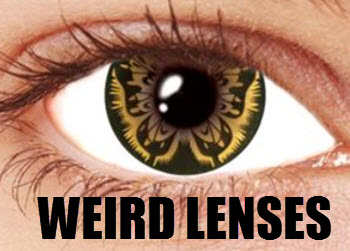
Decorative lenses, also known as cosmetic or fashion lenses, are non-corrective contact lenses that add color or design to your eyes. These products have gained widespread popularity as a means to enhance one’s cosmetic appeal or to complete a costume for various occasions such as Halloween or theatrical performances. Although they’re primarily used for aesthetic purposes, these lenses can bring about certain challenges, particularly when it comes to maintaining comfort. One of the most common issues that users face is dryness. By understanding the causes and solutions related to dryness, you can greatly enhance your experience with these lenses.

Causes of Dryness When Wearing Decorative Lenses

When you wear decorative lenses, you may experience dryness for several reasons. One primary cause is reduced oxygen flow to the cornea. Decorative lenses are sometimes manufactured from materials that may not be as breathable as those used in regular corrective lenses. This is particularly true if the lenses are designed with thicker or more opaque materials to achieve certain colors or patterns. The reduced breathability can lead to the cornea not receiving enough oxygen, a condition that contributes significantly to dryness.

Secondly, the length of time the lenses are worn can also play a critical role. Prolonged wear leads to a natural decrease in tear production. Tears are vital for keeping our eyes moist and healthy, and their reduced production can significantly increase the odds of experiencing dry eyes. Understanding these causes is a vital step in addressing and preventing dryness.

Choosing the Right Lenses

An effective approach to minimizing dryness begins with choosing the right type of decorative lenses. Opt for lenses made from high-quality, breathable materials. Lenses that boast a higher water content can be more comfortable because they help retain moisture more effectively. Additionally, lenses labeled as silicone hydrogel are known for their ability to allow good oxygen flow to the eyes. This can significantly improve comfort levels and reduce dryness.

Moreover, it is crucial that your lenses are fitted and prescribed by a qualified professional. Ill-fitting lenses can not only cause discomfort but may also contribute to dryness and other complications. A professional fitting ensures that the lenses will not only match your aesthetic desires but also be safe and comfortable for prolonged wear.

Proper Lens Care and Hygiene

Hygiene plays a pivotal role in preventing dryness and ensuring overall eye health when using decorative lenses. Always wash your hands with soap and water thoroughly before handling lenses. This helps to prevent the transfer of dirt and bacteria onto the lenses, which could exacerbate dryness or lead to infections.

In addition to handling hygiene, it is important to use appropriate lens cleaning solutions specifically designed for your type of lenses. Tap water should never be used to clean lenses, as it can contain microorganisms and impurities that are harmful to eye health. Following a recommended schedule for replacing and cleaning your lenses is vital to maintaining moisture levels as well as preventing microbial contamination.

Limiting Wear Time

Limiting the amount of time you wear decorative lenses during the day is another effective strategy to combat dryness. It is generally advisable to remove lenses after 8–10 hours to allow your eyes a chance to breathe. Taking breaks by switching to glasses when possible provides your eyes with a much-needed rest. This not only alleviates dryness but also helps maintain optimal eye health.

Using Rewetting Drops

Rewetting drops can be particularly beneficial for those experiencing dryness from wearing decorative lenses. These specialized sterile drops are formulated to lubricate the eyes and help maintain moisture levels. They provide instant relief from dryness, ensuring a more comfortable lens-wearing experience. It is important to choose products that are suitable for use with contact lenses and to consult with your eye care professional for specific product recommendations based on your needs.

Maintaining a Humid Environment

Environmental factors such as low humidity levels can further exacerbate eye dryness for decorative lens wearers. Using a humidifier in your home or work environment can help maintain moisture levels in the air. This prevents your lenses and eyes from drying out rapidly. Additionally, staying hydrated by drinking plenty of water throughout the day plays a crucial role in supporting overall eye health and comfort. Moisturizing from the inside out is just as important as maintaining external conditions.

Consultation with an Eye Care Professional

Before embarking on the use of decorative lenses, it is prudent to consult with an eye care professional. They can provide personalized advice tailored to your eye health and the specific type of lenses you are considering. Should dryness or any form of discomfort persist despite following recommended practices, it is important to seek professional guidance promptly. Eye health is paramount, and a professional is best equipped to offer safe and effective solutions.

For more information on eye care, usage tips for decorative lenses and maintaining optimal eye health, consider visiting trusted resources from professional optometry organizations such as the American Optometric Association or seeking advice from certified eye care practitioners. With the right knowledge and care practices, wearing decorative lenses can be a safe and enjoyable experience.