The Legalities of Selling Decorative Lenses Online
Selling decorative lenses online involves navigating a complex web of legal requirements. Decorative lenses, often known as cosmetic or non-prescription lenses, are designed for aesthetic purposes rather than vision correction. Despite their cosmetic nature, regulations around decorative lenses are stringent due to their direct contact with the eye, a sensitive organ. Thus, understanding the legal landscape concerning these products is imperative for online retailers.
FDA Classification and Regulation
In the United States, the Food and Drug Administration (FDA) classifies decorative lenses as medical devices. This classification has significant implications for how they must be manufactured, marketed, and sold. The primary reason for this classification is the potential risk to eye health, as these lenses, while non-prescriptive, come into direct contact with the cornea and can cause harm if not properly manufactured or used.
Manufacturing Standards
To comply with FDA regulations, decorative lenses must be produced according to specific manufacturing standards. These standards ensure that the lenses are made in sanitary conditions and are free from any defects or contaminants that could potentially harm the eye. Compliance with FDA standards is verified through regular audits and inspections of manufacturing facilities.
Labeling Requirements
Another critical aspect of FDA regulation is the labeling of decorative lenses. Retailers must ensure that product labels provide all necessary information, including instructions for use, cautionary warnings, and details about the manufacturer. Proper labeling is essential not only for legal compliance but also for consumer safety, as it guides users on safe handling and usage practices.
Prescription Requirement
A key legal consideration when selling decorative lenses is the requirement for a prescription. Even though these lenses are not intended for vision correction, a prescription from a licensed eye care professional is a legal necessity in the United States. The prescription requirement serves several purposes:
Ensuring Correct Fit
A prescription ensures that the lenses are the correct size and fit for the consumer’s eyes, which is crucial for comfort and reducing the risk of injury or infection. An improperly fitting lens can lead to significant eye health issues, including corneal abrasions and ulcers.
Consumer Protection
By necessitating a prescription, the law aims to protect consumers from low-quality and potentially harmful products. Eye care professionals play a crucial role in assessing whether the consumer’s eyes can safely accommodate decorative lenses and in educating users about proper lens care.
Retailer Regulations and Responsibilities
Retailers who sell decorative lenses online must adhere to strict regulations. These regulations are designed to ensure that consumers receive safe products and are informed about their proper usage.
Prescription Verification
One of the primary responsibilities of retailers is to verify consumer prescriptions before completing a sale. This verification process is vital to uphold the safety standards imposed by regulatory bodies. By confirming prescriptions, retailers help prevent the distribution of unregulated products that could potentially harm consumers.
Providing Usage Information
In addition to prescription verification, retailers are required to supply consumers with information on the proper care and potential risks associated with decorative lenses. This information may include instructions on how to clean and store lenses, the importance of not sharing lenses with others, and recognizing signs of eye infections or irritation.
Compliance with Advertising Standards
Retailers must also comply with advertising standards, ensuring that all promotional materials accurately represent the products and do not make false or misleading claims. Accurate representation helps maintain consumer trust and adheres to legal requirements.
International Considerations
Legal requirements for selling decorative lenses can vary significantly across different countries. While the core standards often remain consistent due to shared concerns over eye health, specifics can differ by location.
European Union Standards
In the European Union, decorative lenses are also regarded as medical devices, thus subject to similar rigorous safety and prescription regulations as in the United States. The EU has its directives that dictate product safety standards, labeling requirements, and market compliance. Retailers must navigate these directives to ensure they meet all local legal obligations.
Other International Markets
In other global markets, such as those in Asia or South America, the regulatory landscape can differ. Some countries might have less stringent regulations, while others may impose localized standards. It is crucial for retailers to conduct thorough research or consult with legal professionals knowledgeable about the specific regulations in the target market.
Conclusion
For anyone looking to enter the online market of decorative lenses, understanding these legal aspects is crucial. Selling these products without adhering to regulatory standards not only risks consumer safety but also legal repercussions for the seller. Non-compliance can result in significant fines, product recalls, or even the cessation of business operations.
It is advisable for sellers to consult legal experts familiar with the medical device regulations in their respective jurisdictions to ensure full compliance. Additionally, retailers should stay informed about any changes in regulations, as legal standards around medical devices, including decorative lenses, can evolve with advancements in technology and increasing consumer awareness about eye health. By upholding these standards, sellers can operate within the law, ensure consumer safety, and maintain a reputable presence in the marketplace.
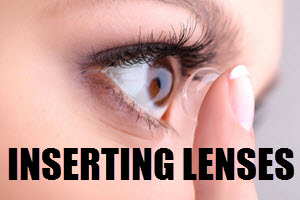
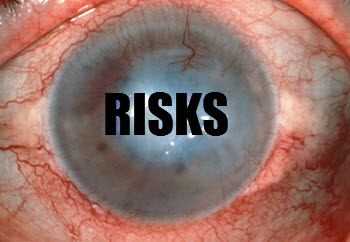
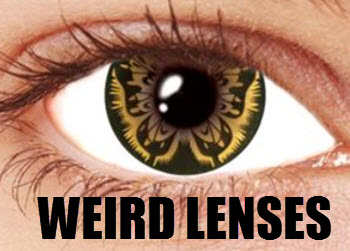
 Cosmetic Contact Lenses