The Role of Decorative Lenses in Enhancing Personal Confidence
Decorative lenses, commonly termed as cosmetic or colored contact lenses, have become an increasingly popular choice for individuals seeking temporary alterations to their eye appearance. These lenses afford a wide array of options – from slight enhancements to profound metamorphoses. But the pertinent question arises: how do these lenses impact personal confidence?
Understanding Decorative Lenses
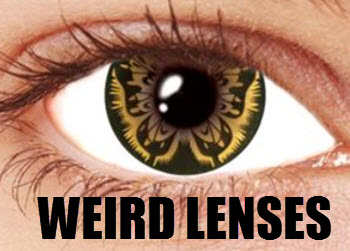
Decorative lenses primarily serve an aesthetic purpose rather than correcting vision. Available in myriad colors, patterns, and even novelty designs, they enable an individual to experiment with their appearance. This capability to modify eye color or style plays an instrumental role in self-expression and personal identity.
Boosting Confidence Through Aesthetic Changes
Numerous users of decorative lenses assert that these products provide a significant boost to their confidence. The potential to alter one’s outward appearance can be empowering, offering individuals control over their presentation to the world. The psychological implications of such changes are multifaceted:
Enhanced Self-Perception: Wearing decorative lenses frequently results in an elevated sense of attractiveness due to the alignment with beauty standards often depicted in various media. By wearing these lenses, individuals can experiment with their aesthetic identity, thus influencing how they are perceived not only by themselves but by others as well.
Increased Social Interaction: A perceived enhancement in physical appearance often correlates with an increased willingness to engage in social interactions. The improved self-image and reduced anxiety can lead to greater social confidence, allowing individuals to partake in activities with enhanced self-assurance.
Potential Risks and Considerations
Despite the clear benefits, it is crucial to acknowledge the potential risks that accompany the use of decorative lenses. Improper use can result in significant eye health issues, such as infections or damage to the eyes. Adhering to proper guidelines and acquiring these lenses from reputable sources is imperative. Users should ensure they follow the instructions related to cleaning and storage to maintain optimal eye health. For comprehensive guidelines on safe usage, it would be prudent to consult resources such as the U.S. Food and Drug Administration.
The Psychological Dimension
The impact of decorative lenses transcends physical transformation and delves into the psychological realm. The ensuing confidence from adorning these lenses often originates from the novelty and thrill associated with a new appearance. However, it can also instigate enduring effects on self-perception. Decorative lenses may act as a catalyst for deeper personal transformations, prompting individuals to explore wider aspects of their self-image.
Social Dynamics and Decorative Lenses
Decorative lenses often incite curiosity and serve as conversation starters, providing an entry point for social connections. This social aspect should not be underestimated, as it contributes to personal and interpersonal development. The willingness to interact and engage with others potentially broaden one’s social circle and enhance relational bonds.
Changing one’s appearance through decorative lenses occasionally leads to others perceiving the wearer in a new light. It is essential to consider how these changes might affect not only the wearer’s self-perception but also others’ perceptions, which can indirectly validate and boost confidence.
Exploring Identity and Self-Expression
Decorative lenses serve as a unique medium for exploring variations of self-identity. In a society where self-expression is often celebrated, these lenses provide a platform for individuals to align their external visage with their internal personas. This exploration can encompass cultural, artistic, or merely personal expressions, allowing for a diverse array of identity representations.
The changeable nature of decorative lenses enables individuals to adapt their appearance according to mood, event, or personal preference. By experimenting with contrasts and styles, users have the opportunity to express facets of their identity in a dynamic and approachable manner.
Considering Ethical and Cultural Sensitivities
While embracing the aesthetic possibilities of decorative lenses, it is essential to adopt an ethical mindset concerning their use. This involves being mindful of cultural sensitivities and avoiding any forms of cultural appropriation. Respecting these boundaries ensures that the use of decorative lenses remains a positive, inclusive practice, free from unintentionally offending others.
Conclusion
In summary, decorative lenses represent a dual-faceted tool that offers both visual transformation and enhanced personal confidence. By providing an avenue for superficial modifications, they facilitate deeper psychological exploration and identity expression. While the positive impact on self-esteem is apparent, it is vital to approach the use of decorative lenses with care, ensuring that health and safety remain high priorities. Approaching these enhancements thoughtfully can lead to an enriched sense of self and wellbeing, provided ethical considerations are respected.
The role that decorative lenses play in boosting individual confidence reflects a broader societal trend towards personalization and self-determined identity, allowing individuals to navigate their aesthetic journeys with both creativity and responsibility.

 Cosmetic Contact Lenses