Understanding Lens Material
For those with sensitive eyes, selecting the right lens material is crucial. Many factors can affect the comfort and health of one’s eyes when using contact lenses. The environment, lifestyle, and individual eye conditions must all be considered when choosing the most appropriate lens material. Among the various lens material options available, hydrogel and silicone hydrogel lenses stand out due to their high oxygen permeability. This notable feature allows more oxygen to reach the eye, which can significantly reduce the risk of irritation and dryness, thus enhancing overall comfort and eye health.
Hydrogel Lenses
Hydrogel lenses are characterized by their soft texture and comfort, making them a popular choice for contact lens wearers. One of the defining features of hydrogel lenses is their high water content. This high water content allows for an elevated level of comfort, particularly for individuals who often struggle with dry eyes. The hydrophilic nature of hydrogel lenses means that they retain water, which aids in maintaining moisture on the eye’s surface. Nevertheless, it is essential to note that while hydrogel lenses offer considerable comfort, they might not provide as much oxygen permeability as their silicone counterparts. Oxygen permeability is critical for corneal health, and insufficient oxygen levels can lead to discomfort and potential issues with extended lens wear.
Silicone Hydrogel Lenses
Silicone hydrogel lenses represent an advancement from traditional hydrogel lenses. These lenses have been specifically designed to permit a more significant influx of oxygen to the cornea, which is vital for maintaining eye health and comfort. By allowing more oxygen to reach the eye, silicone hydrogel lenses enable extended periods of lens wear without discomfort. This aspect is particularly beneficial for individuals who require or prefer long-duration wear. Despite their enhanced oxygen permeability, it’s still essential for wearers to adhere to recommended usage guidelines and regularly consult with eye care professionals to ensure optimal eye health.
Lens Replacement Schedule
The lens replacement schedule is critically important in maintaining eye health, especially for those with sensitive eyes. A proper replacement schedule can help prevent the accumulation of deposits on lenses that might cause irritation or infections. Daily disposable lenses have emerged as a highly recommended option because they minimize the chances of deposit build-up and associated irritation. These lenses are designed for single use and eliminate the need for extensive cleaning routines, which can sometimes be burdensome and increase the risk of contamination if not conducted properly.
Advantages of Daily Disposables
Daily disposable lenses offer multiple advantages that promote better eye health. One of their primary benefits is the significant reduction in the risk of eye infections and allergies. Since each lens is disposed of after a single use, the build-up of deposits and bacteria that can accumulate on reusable lenses over time is effectively avoided. Additionally, the convenience of not requiring cleaning solutions or storage reduces the likelihood of introducing contaminants that could harm sensitive eyes. However, it’s important to explore your daily disposable lens options thoroughly and consider consulting with an eye care provider for personalized recommendations. Further, exploring reliable optical stores online can provide additional information on available products and features.
Consulting an Eye Care Professional
When selecting lenses for sensitive eyes, consulting an eye care professional is an essential step. Professionals in this field can offer valuable personalized advice, taking into account individual needs and conditions. They are equipped to conduct thorough eye examinations, which will inform the recommendation of lenses that suit your specific requirements. This process of personalized consultation is critical not just for choosing the lens material but also for discussing other aspects of lens care and eye health maintenance.
Prescription and Fit
Accurate prescription and fit are indispensable to ensuring that contact lenses provide comfort and safety. Ill-fitting lenses or prescriptions that do not align well with your vision requirements can exacerbate eye sensitivity, potentially leading to discomfort or even long-term damage. Thus, it is crucial to ensure your lenses align perfectly with both corrective needs and comfort. Seeing an eye care professional for regular check-ups and prescription updates ensures that lenses meet these criteria, promoting eye health and minimizing the risk of adverse effects.
Managing Allergies and Dryness
Managing allergies and dryness is another critical aspect for individuals with sensitive eyes to facilitate a comfortable lens-wearing experience. Effective management can mitigate symptoms that would otherwise compromise the user’s ability to wear lenses comfortably for prolonged periods. Utilizing lubricating eye drops compatible with contact lenses can alleviate symptoms such as dryness and irritation. Additionally, developing a comprehensive eye care regimen can aid in maintaining moisture and preventing irritation. Consistency in this regimen can have significant positive effects on overall ocular health, contributing to a more pleasant lens-wearing experience.
Conclusion
Choosing the right lenses for sensitive eyes involves careful consideration of lens materials, adherence to replacement schedules, and consulting with eye care professionals. By focusing on personal eye care needs and taking proactive measures, one can significantly enhance their lens-wearing experience. Regular consultation with an eye care professional remains crucial to tailor advice that fits specific conditions. This ensures not only comfort but also long-term eye health. Whether deciding between hydrogel and silicone hydrogel lenses or determining the best replacement schedule, an informed choice, guided by professional advice, is essential for maintaining optimal eye health.
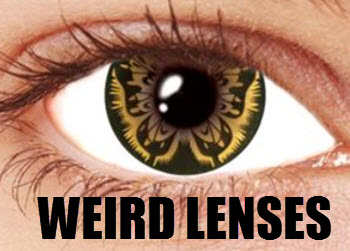
 Cosmetic Contact Lenses