The Evolution of Decorative Eye Lenses
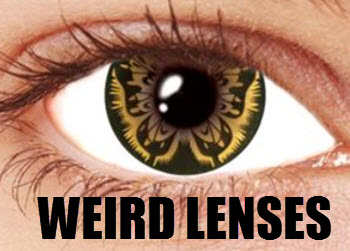
Decorative eye lenses, commonly referred to as cosmetic or fashion contact lenses, have undergone a remarkable transformation over the years. Initially, their use was predominantly confined to theatrical settings where they served to create dramatic visual effects. Actors and actresses utilized them to enhance their on-stage characters. However, due to technological advancements, these lenses have transcended their original purpose and are now readily available to the general populace. They serve dual functions—enhancing aesthetic appeal and offering vision correction.
Integration of Smart Technology
The integration of smart technology heralds a new era for decorative eye lenses. This integration is expected to revolutionize their functionality, transforming them from mere color or pattern changers to sophisticated devices with advanced capabilities. Various companies and researchers are diligently exploring methods to incorporate electronic components into contact lenses. This technological leap aims to deliver functionalities that extend beyond aesthetics.
One significant area of development is vision enhancement. By embedding sensors within the lenses, these smart lenses aim to enhance vision, especially in low-light conditions. They also hold the potential to assist individuals with visual impairments by providing them with improved visual capability, thus markedly improving their quality of life.
Another exciting development is the display capabilities of these lenses. Researchers are actively testing prototypes capable of projecting information directly onto the retina. This feature closely mirrors the concept of a heads-up display, thereby offering yet another layer of functionality. Whether it’s navigation aids, health data, or other digital information, this capability could be groundbreaking in how individuals interact with the world around them.
Health Monitoring Features
Beyond their cosmetic applications, decorative lenses are on the brink of offering health-monitoring features. Imagine having lenses that not only change your eye color but also constantly monitor your ocular health. With embedded sensors, smart contact lenses could potentially track various aspects of eye health, including intraocular pressure, which is vital for detecting glaucoma. They may also be used to monitor glucose levels in the tears, providing significant insights for people managing diabetes.
Challenges in Development
While the prospects of smart decorative lenses are undoubtedly promising, their development is not without challenges. The foremost technical hurdle is miniaturization. The integration of electronic components into an ultra-thin contact lens while maintaining user comfort is a complex task. These lenses must be thin enough to wear comfortably, yet robust enough to house the necessary technology.
The second challenge pertains to the power supply. There is an urgent need to develop efficient power sources that can keep the electronic features running without necessitating frequent recharges. Lightweight, long-lasting power solutions are crucial for the practical viability of smart lenses.
Another critical challenge is addressing safety concerns. For any eyewear, especially those involving direct interaction with the sensitive eye area, safety and biocompatibility are of utmost importance. Researchers must ensure these lenses do not harm the eye or cause any discomfort during usage, as even minimal adverse effects would render them impractical.
Regulatory and Ethical Considerations
As we progress towards the reality of smart decorative eye lenses, regulatory and ethical considerations emerge as essential factors requiring attention. To begin with, privacy issues are paramount. If lenses can capture and display data, safeguarding user privacy is critical. Adequate measures must be implemented to prevent unauthorized access and data misuse, ensuring users’ information remains confidential and secure.
Additionally, regulation is vital to ensure these products are safe and meet stringent health standards. Regulatory bodies need to establish comprehensive guidelines that govern the creation and use of such technologically advanced products, ensuring they are safe for public use.
Lastly, there is the need to address accessibility. As with many technological innovations, the risk of these advanced lenses becoming exclusive to those who can afford them is real. Efforts should be made to make these technological advancements widely accessible, ensuring benefits are reaped by a diverse population, regardless of socio-economic status.
The Road Ahead
The trajectory of smart decorative eye lenses is promising and is poised to redefine personal aesthetics and augment health monitoring capabilities. The possible integration of augmented reality into these lenses could further revolutionize how individuals perceive and interact with their environment. However, turning these possibilities into reality requires continued collaboration between researchers, tech companies, regulatory bodies, and healthcare professionals. This collaboration will not only speed up the development process but also ensure that these innovations are brought to market safely, ethically, and fairly.
For those interested in delving deeper into the latest developments concerning smart technology in eyewear, respected resources like Medical Device Network and Nature Biomedical Engineering provide comprehensive insights and updates.
 Cosmetic Contact Lenses