Understanding Decorative Lenses
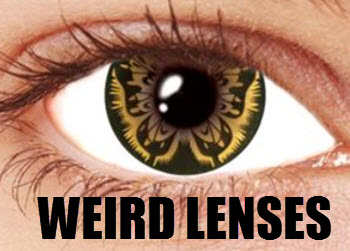
Decorative lenses, popularly referred to as cosmetic or colored contact lenses, are primarily used to alter the wearer’s eye appearance. These lenses serve as a tool to create a distinctive aesthetic touch, beneficial for various occasions such as fashion events, theatrical presentations, or simply for personal expression. Despite their popularity across different demographics, it’s vital to understand the implications of their use, particularly when it comes to disposal. Effectively managing the life cycle of decorative lenses is essential to reduce any potential environmental impact associated with them.
Environmental Impact of Decorative Lenses
Improper disposal of decorative lenses poses a significant environmental concern. When individuals flush lenses down the toilet or rinse them down the sink, they inadvertently contribute to environmental pollution. Once in the wastewater system, these lenses often travel to wastewater treatment plants. Unfortunately, the lenses do not completely degrade at this stage; instead, they tend to fragment into smaller particles known as microplastics. These microplastics have the potential to enter waterways, thereby posing a threat to marine life and the larger ecosystem. The presence of microplastics in aquatic environments can disrupt food chains and impact biodiversity in significant ways.
Correct Disposal Methods
Discarding decorative lenses in the trash is currently considered the most environmentally responsible method of disposal. Unlike other forms of disposal, this approach ensures that lenses do not directly reach waterways, thus mitigating the associated pollution risks. However, it is important to consult your local waste management authorities for any specific disposal instructions or guidelines. These guidelines can significantly influence how individuals should dispose of used lenses impacting regional waste management efforts.
Utilizing Lens Recycling Programs
Several vision care companies have recognized the environmental implications of contact lenses and offer recycling programs specifically aimed at them. Engaging with such recycling programs provides users with an opportunity to ensure their lenses are recycled efficiently and responsibly. Checking online resources can guide consumers in finding participating brands and local stores offering these recycling initiatives, thus contributing to a more sustainable lifestyle.
Additional Tips for Responsible Disposal
Given the potential environmental implications of improper disposal, consider applying these additional strategies aimed at minimizing the environmental footprint associated with decorative lenses:
Reduce Usage Frequency: Cutting back on the frequency with which decorative lenses are used can directly reduce the quantity of waste generated through their disposal. Each decision to forgo additional use translates to fewer lenses needing disposal, cumulatively minimizing the environmental impact over time.
Plan Thoroughly before Purchase: Thoughtfully planning lens purchases can prevent individuals from amassing an excessive number of lenses. This proactive approach ensures that lenses are obtained according to genuine need rather than impulse, aiding in waste reduction.
Avoid Wastewater Systems
Avoiding the disposal of any form of contact lenses in wastewater systems such as sinks and toilets cannot be emphasized enough. Such actions not only contribute to environmental contamination but also compromise the integrity of aquatic ecosystems. Responsible disposal habits should always prioritize preventing any form of contact lenses from entering wastewater systems.
Educate Others
Education plays a foundational role in promoting responsible disposal practices. Sharing knowledge about the environmental impact of improper disposal and the significance of adhering to appropriate disposal methods can create a ripple effect within communities. By raising awareness among friends and family, individuals can inspire more widespread and effective environmental stewardship, thus amplifying the positive impact.
By committing to responsible disposal methods for decorative lenses, individuals actively contribute to environmental protection efforts. Responsible lens disposal amounts to more than just a single personal choice; it represents an integral step toward preserving our natural surroundings and ensuring sustainable interactions with the environment. Adopting these practices involves not only making environmentally conscious decisions but also empowering others to engage in practices that support a cleaner, healthier planet for future generations.
 Cosmetic Contact Lenses