Introduction
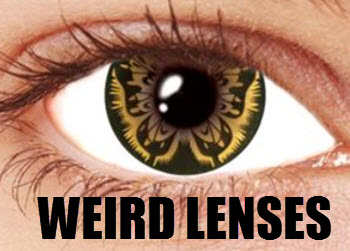
Decorative eye lenses, known in various circles as cosmetic or colored contact lenses, have become an increasingly popular accessory for individuals looking to alter or enhance their natural eye color for purely aesthetic reasons. These lenses can significantly change one’s appearance and add intrigue or allure to a person’s overall look. However, while their visual impact can be striking, it is essential to prioritize the health and safety of your eyes by handling these lenses correctly. This document provides a comprehensive guide to the proper insertion, removal, and maintenance of decorative eye lenses, ensuring both a pleasing appearance and healthy eyes.
Preparation
Preparation is a critical precursor to handling decorative eye lenses. This process begins and centers around hand hygiene. Before touching your lenses, wash your hands meticulously with soap and water. This is a crucial step in preventing the transfer of dirt, oils, or bacteria from your hands to your lenses, which can then be transferred to your eyes, potentially leading to infections or complications. Opt for a mild, non-scented soap to avoid leaving residue, and follow by drying your hands thoroughly with a lint-free towel. This ensures no small particles remain that could adhere to your lenses and subsequently irritate your eyes.
Inserting Decorative Eye Lenses
Once your hands are clean and dry, you can proceed with inserting your decorative lenses. The following steps outline this process in further detail.
Inspect the Lenses
Begin by removing one lens from its storing case and giving it a careful inspection. Ensure that the lens is not inside-out by placing it on the tip of your finger; it should form a perfect half-sphere, with the edges naturally curling upwards. Also, check for any visible tears or debris on the lens that could harm your eyes or obstruct your vision.
Rinse the Lens
Even if your lenses appear clean, it’s advisable to rinse them with a sterile contact lens solution. This step serves to cleanse the lens of any remaining impurities that were missed during inspection. It is crucial to avoid using tap water or saliva, as these can harbor harmful microorganisms that could infect your eyes.
Position the Lens
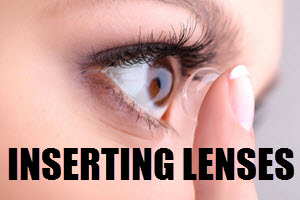
With the lens adequately cleaned, place it on the tip of your index finger. Use your other hand to hold your upper eyelid open; this will prevent you from blinking and create an easier path for insertion. Simultaneously, use the middle finger of the hand holding the lens to gently pull down on your lower eyelid. This makes it easier to place the lens directly onto your eye without interference.
Insert the Lens
Look upwards to expose more of the white part of your eye. Slowly move the lens towards your eye. Carefully sit the lens onto the lower part of your eye while maintaining an upward gaze. Once the lens is in place, gently release your eyelids and blink several times. Blinking helps center the lens and expel any air bubbles trapped underneath.
Removing Decorative Eye Lenses
After you have enjoyed the aesthetic benefits of your decorative lenses, it is time to remove them carefully. Engaging in proper removal procedures is equally important as insertion to maintain eye health.
Look Up
Start by using one hand to hold open your upper eyelid. With the middle finger of your other hand, gently pull down your lower eyelid. This provides a clear view and easier access to the lens.
Pinch the Lens
As you look upwards, use your thumb and index finger to gently pinch the lens, bringing it safely down onto the white part of your eye. This method prevents scratching the eye and allows easy removal of the lens. Carefully lift the lens from your eye without forcing it, and ensure the process causes no discomfort.
Rinse and Store
Once the lens has been removed, rinse it with a contact lens solution to clear any debris acquired during wear. Use a clean, sterile lens case to store the lens, ensuring it is filled with fresh solution to maintain the lens’s cleanliness and overall quality. Replacing the solution daily can prevent infections and prolong the life of your lenses.
Aftercare and Hygiene
Maintaining good lens hygiene is of utmost importance and extends beyond inserting and removing lenses. Consistently clean both the lenses and their storage case using a special solution designed for contact lenses. Committing to this routine minimizes bacterial build-up.
Additionally, adhere to the manufacturer’s guidelines regarding the lifespan of your lenses and the accompanying storage case. Lenses can accumulate deposits over time, affecting their comfort and safety. Never wear your lenses beyond the recommended duration to avoid potential complications. Ensuring that the lenses are cleaned and stored correctly can significantly affect your eye health and the longevity of the lenses themselves.
Conclusion
Proper insertion and removal of decorative eye lenses is a skill that, while requiring practice and patience, ensures both aesthetic satisfaction and the health of your eyes. Emphasis on hygiene and adherence to recommended procedures will promote safe use. Always prioritize the health and safety of your eyes and do not hesitate to reach out to a licensed eye care professional if you encounter any issues or have concerns regarding your decorative eye lenses. This proactive approach can help you enjoy the cosmetic benefits of your lenses while maintaining optimal eye health.

 Cosmetic contact lenses