Author Archives: admin

How to match decorative lenses with makeup.

Understanding Decorative Lenses

Decorative lenses, also known as cosmetic contact lenses, are specialty lenses designed with the primary purpose of altering the visual appearance of the eyes. Unlike traditional contact lenses that correct vision, these lenses are largely used for cosmetic, fashion, or theatrical purposes. They are available in a myriad of colors and patterns, allowing users to experiment with their look, be it for a special occasion, a theatrical performance, or just for fun. Wearing decorative lenses alongside makeup can significantly enhance one’s appearance, but it’s essential to harmonize the two to highlight both the lenses and your natural features optimally.

Choosing the Right Decorative Lenses

When considering which decorative lenses to use, it’s essential to take into account both the color and the design.

Natural Colors: Lenses that mimic natural eye colors such as brown, blue, and green are available for subtle enhancements. These types of lenses can amplify the natural allure of your eyes, bringing out depth and richness without making an obvious statement.

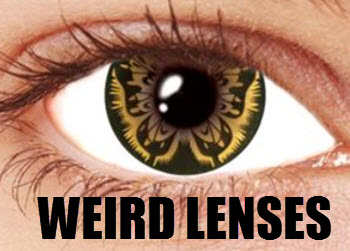
Vivid or Unusual Patterns: For those who wish to make a pronounced impression, lenses that feature vivid colors or atypical patterns are an excellent choice. These can include bright reds, purples, or even patterned designs that mimic cat eyes, starburst designs, or other artistic expressions.

Purchasing lenses from reputable vendors is crucial, as it ensures both the quality of the lenses and the safety of your eyes. Proper wear and care instructions should always be adhered to, mitigating the risk of eye infections and other complications.

Complementing Lenses with Makeup

Once you’ve chosen your lenses, the next step is to decide on makeup that will complement and enhance your new look. You can opt for either a harmonious appearance that seamlessly integrates the lenses and makeup or a contrasting style that boldy stands out.

Subtle Enhancements

For those who prefer subtle, natural-colored lenses, a minimalist makeup approach is often the most effective. Start with a matching eyeshadow or a hue that is slightly darker to add definition to your eyelids. Using a thin line of eyeliner can accentuate your eyes without overshadowing the lenses. For instance, if you’re wearing blue lenses, a palette of soft browns or taupe can enhance them beautifully.

Bold and Creative Styles

If you have chosen vibrant lenses, such as red or purple, you have greater leeway to experiment with bold and creative makeup styles. Select an eyeshadow that complements or contrasts with your lens color. A smoky eye in metallic shades can be incredibly striking when worn with colorful lenses. If your lenses have intricate patterns or vivid hues, pursue a dramatic and well-defined eye makeup application.

Techniques to Consider

Your makeup technique can further elevate the impact of your decorative lenses. Here are some strategies to highlight the eyes and balance your look.

Highlighting the Eyes

The emphasis should significantly be on the eyes. Utilizing highlighter or shimmery eyeshadow beneath the brow bone and in the inner corners of your eyes can illuminate your eyes and highlight the lenses. This technique draws attention to the vivid colors or patterns of the lenses, emphasizing their distinctiveness.

Balancing Your Look

While the eyes are the focal point, it’s important to achieve symmetry in your overall makeup. Your lip color and blush should harmonize with your eye makeup. If your eye makeup is intense, opt for neutral lip colors to keep the focus on your eyes. Conversely, if you choose a bold lip color, ensure your eye makeup remains understated.

Day vs. Night Looks

Tailor your makeup to the occasion by considering the time of day. Daytime looks generally benefit from lighter, more muted shades, while evening events allow for deeper shades and a richer makeup application. Adjusting the intensity of your makeup according to the occasion ensures that your decorative lenses appear both suitable and stylish.

Additional Considerations

To avoid any health issues or discomfort, maintaining hygiene and proper eye care is imperative when using decorative lenses. Always ensure that your hands are clean and dry before inserting or adjusting your lenses. Furthermore, it’s advisable to remove the lenses before taking off your makeup to minimize the risk of irritation or infections.

For those using decorative lenses that do not provide vision correction, it’s advisable to consult an eye care professional if corrective vision is also needed. Prioritizing the health and comfort of your eyes will enhance the enjoyment of your new look and prevent potential adverse effects.

For more comprehensive information and regulations concerning eye makeup and decorative lenses, you may refer to FDA guidelines on Decorative Contact Lenses. This resource can provide valuable insights into maintaining safety while utilizing these fashionable accessories. Always prioritize the well-being of your eyes as you explore and enjoy various aesthetic expressions.

The difference between daily, monthly, and yearly lenses.

Understanding Contact Lenses: Daily, Monthly, and Yearly Types

When you decide to start using contact lenses for vision correction, you will encounter several options to choose from, primarily categorized into three types: daily, monthly, and yearly lenses. Each of these types of contact lenses has unique properties and characteristics specifically designed to cater to distinct lifestyle needs and preferences. This comprehensive guide will explore these different types in detail, focusing on their distinct attributes, advantages, and possible drawbacks to assist in making an informed decision.

Daily Lenses

Daily contact lenses are specifically designed for single-day usage, meaning that each pair is meant to be worn for one day and then discarded. This eliminates the necessity for regular cleaning procedures as well as the use of storage solutions, thereby providing a level of convenience that is particularly appealing to individuals who are new to using contact lenses or who maintain busy, active lifestyles.

The single-use nature of daily lenses also makes them particularly attractive to hygiene-conscious users. Since a fresh pair is used each day, this greatly minimizes the risk of eye infections associated with protein and lipid deposits that can accrue on longer-wear lenses. The flexibility offered by daily lenses is advantageous for those who prefer to wear contact lenses occasionally, allowing them to use lenses only when necessary without the concern of exceeding the lens’s intended lifespan.

However, the high convenience factor associated with daily lenses also comes at a greater financial cost in the long run, owing to the need for regular replenishment. For those who plan to wear lenses every single day, the costs can add up quickly compared to other types of lenses. For more detailed insights about daily contact lenses, you may refer to reputable optical sources for further information.

Monthly Lenses

Monthly contact lenses are engineered to last approximately 30 days, and as such, they require a bit more maintenance than their daily counterparts. Each night, the lenses must be removed, cleansed thoroughly, and stored properly, demanding a greater level of commitment to eye care routines. These lenses are generally crafted from more robust materials, ensuring comfort and durability over several weeks.

For regular contact lens wearers, monthly lenses often emerge as a cost-effective choice. Despite necessitating consistent care and attention to prevent potential infections, the extended lifespan makes them more economical compared to daily lenses for frequent users, assuming adherence to prescribed cleaning and storage routines.

It’s critical for users opting for monthly lenses to maintain disciplined cleaning and storage habits to avoid complications such as eye infections or discomfort. For accurate guides and detailed maintenance advice, consulting professional sources such as the industry experts will prove beneficial.

Yearly Lenses

Yearly contact lenses, also known as conventional lenses, differ significantly from daily and monthly variants by offering longevity, lasting up to a full year with committed care and maintenance. These lenses are constructed from durable materials to withstand extended usage, however, they also demand stringent adherence to cleaning protocols.

Due to the robust construction and the need for meticulous hygiene practices, yearly lenses may primarily attract experienced lens users who are adept at managing the responsibilities associated with lens care. Despite having the potential to offer cost savings over a year, the immediate upfront cost tends to be higher than that of daily or monthly lenses. To minimize potential risks such as deposition buildup and infections, correctly following storage and cleaning routines is essential.

Not every individual’s eyes are suitable for the thickness and material composition of yearly lenses. It’s essential to seek advice from an eye care professional who can provide guidance tailored to individual eye health and preferences. Further readings and educational resources about yearly lenses can be accessed from expert resources.

Conclusion

Determining whether to opt for daily, monthly, or yearly lenses depends on a multitude of factors, including lifestyle choices, budget constraints, and personal preferences. Each type of contact lens offers its distinct benefits and potential disadvantages, underscoring the importance of receiving personalized advice from an eye care professional to cater to individual needs effectively. By thoroughly understanding these differences, contact lens users can select an option that ensures comfortable, safe, and effective vision correction tailored to their unique requirements.

Tips for first-time decorative lens wearers.

Understanding Decorative Lenses

Decorative lenses, often referred to as cosmetic or colored contacts, are designed specifically to alter the appearance of your eyes rather than to correct your vision. While they can provide a dramatic change in eye color or pattern, it’s important to remember that these lenses are classified as medical devices and should be managed with the same care you would apply to prescription contact lenses.

Consult an Optometrist

When considering the use of decorative lenses, especially if you are a first-time user, consulting an optometrist is a critical step. An eye examination conducted by a professional ensures that your eyes are in good health, making them safe for lens wear. During the appointment, the optometrist will evaluate the overall condition of your eyes and measure them to determine the size and type of lens that will fit best. This professional guidance helps prevent a variety of potential complications including infections or discomfort that could arise from improperly fitted lenses.

Choosing the Right Lenses

The selection process for decorative lenses involves several considerations. Investigating the different types of lenses available on the market can help you find the right fit. Decorative lenses are manufactured from various materials and come with options for different wearing schedules, such as daily, bi-weekly, or monthly disposables. Selecting the correct type of lens is crucial for both comfort and maintaining ocular health. It’s important to note that these lenses should only be purchased from reputable brands. Established manufacturers adhere to strict health and safety regulations, ensuring that their products are safe for consumer use.

Hygiene and Care

Maintaining proper hygiene is essential when handling decorative lenses to prevent infections and ensure the lenses remain in good condition.

Steps for Proper Lens Care:
1. Wash Hands: Prior to touching your lenses, always wash your hands thoroughly with soap and water. Clean hands are essential in reducing the risk of transferring germs or debris into your eyes, which can lead to irritation or more serious infections.

2. Use a Clean Storage Case: Your lens case should be kept clean at all times, and it should be replaced every three months. An old or unclean lens case can harbor bacteria, potentially leading to eye infections. Cleaning your case regularly with fresh solution (not water) is a simple yet effective way to protect your eye health.

For detailed guidelines on lens care, check this resource provided by authoritative optometrist associations.

Inserting and Removing Lenses

The process of inserting and removing decorative lenses might seem challenging at first, but with practice, it becomes more manageable. Begin with a calm mindset and use a well-lit mirror:

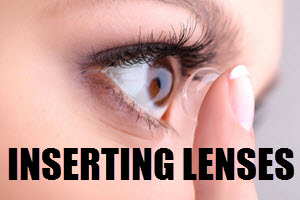
1. Technique: To insert the lens, gently hold your upper eyelid with one hand to prevent blinking, and use your other hand to pull down the lower lid. Place the lens on your fingertip and carefully position it onto your eye. Ensure the lens is centered and feels comfortable.

2. Removal: To safely remove the lens, pinch it gently between your thumb and forefinger and lift it away from your eye. Practice will improve your competence and confidence in handling the lenses.

Recognizing Issues

It’s vital to be vigilant and watchful for any unusual symptoms while wearing decorative lenses. Such symptoms might include redness, irritation, or blurred vision. These signs could indicate a problem with the lens or a reaction from your eyes. If any of these symptoms occur, it’s crucial to remove the lenses immediately and consult an optometrist before attempting to wear them again. Long-term discomfort or persistent symptoms might indicate an underlying medical issue or an improperly fitted lens, both of which require professional evaluation.

Engaging with decorative lenses can be a unique and enjoyable way to alter your appearance, providing you handle them safely. Prioritizing your eye health by seeking professional advice before purchasing lenses and adhering to prescribed hygiene standards is essential for a successful and pleasurable lens-wearing experience. Following these recommendations not only ensures you enjoy your lenses but also safeguards your vision and eye health for the future.

How to insert and remove decorative eye lenses.

Introduction

Decorative eye lenses, known in various circles as cosmetic or colored contact lenses, have become an increasingly popular accessory for individuals looking to alter or enhance their natural eye color for purely aesthetic reasons. These lenses can significantly change one’s appearance and add intrigue or allure to a person’s overall look. However, while their visual impact can be striking, it is essential to prioritize the health and safety of your eyes by handling these lenses correctly. This document provides a comprehensive guide to the proper insertion, removal, and maintenance of decorative eye lenses, ensuring both a pleasing appearance and healthy eyes.

Preparation

Preparation is a critical precursor to handling decorative eye lenses. This process begins and centers around hand hygiene. Before touching your lenses, wash your hands meticulously with soap and water. This is a crucial step in preventing the transfer of dirt, oils, or bacteria from your hands to your lenses, which can then be transferred to your eyes, potentially leading to infections or complications. Opt for a mild, non-scented soap to avoid leaving residue, and follow by drying your hands thoroughly with a lint-free towel. This ensures no small particles remain that could adhere to your lenses and subsequently irritate your eyes.

Inserting Decorative Eye Lenses

Once your hands are clean and dry, you can proceed with inserting your decorative lenses. The following steps outline this process in further detail.

Inspect the Lenses

Begin by removing one lens from its storing case and giving it a careful inspection. Ensure that the lens is not inside-out by placing it on the tip of your finger; it should form a perfect half-sphere, with the edges naturally curling upwards. Also, check for any visible tears or debris on the lens that could harm your eyes or obstruct your vision.

Rinse the Lens

Even if your lenses appear clean, it’s advisable to rinse them with a sterile contact lens solution. This step serves to cleanse the lens of any remaining impurities that were missed during inspection. It is crucial to avoid using tap water or saliva, as these can harbor harmful microorganisms that could infect your eyes.

Position the Lens

With the lens adequately cleaned, place it on the tip of your index finger. Use your other hand to hold your upper eyelid open; this will prevent you from blinking and create an easier path for insertion. Simultaneously, use the middle finger of the hand holding the lens to gently pull down on your lower eyelid. This makes it easier to place the lens directly onto your eye without interference.

Insert the Lens

Look upwards to expose more of the white part of your eye. Slowly move the lens towards your eye. Carefully sit the lens onto the lower part of your eye while maintaining an upward gaze. Once the lens is in place, gently release your eyelids and blink several times. Blinking helps center the lens and expel any air bubbles trapped underneath.

Removing Decorative Eye Lenses

After you have enjoyed the aesthetic benefits of your decorative lenses, it is time to remove them carefully. Engaging in proper removal procedures is equally important as insertion to maintain eye health.

Look Up

Start by using one hand to hold open your upper eyelid. With the middle finger of your other hand, gently pull down your lower eyelid. This provides a clear view and easier access to the lens.

Pinch the Lens

As you look upwards, use your thumb and index finger to gently pinch the lens, bringing it safely down onto the white part of your eye. This method prevents scratching the eye and allows easy removal of the lens. Carefully lift the lens from your eye without forcing it, and ensure the process causes no discomfort.

Rinse and Store

Once the lens has been removed, rinse it with a contact lens solution to clear any debris acquired during wear. Use a clean, sterile lens case to store the lens, ensuring it is filled with fresh solution to maintain the lens’s cleanliness and overall quality. Replacing the solution daily can prevent infections and prolong the life of your lenses.

Aftercare and Hygiene

Maintaining good lens hygiene is of utmost importance and extends beyond inserting and removing lenses. Consistently clean both the lenses and their storage case using a special solution designed for contact lenses. Committing to this routine minimizes bacterial build-up.

Additionally, adhere to the manufacturer’s guidelines regarding the lifespan of your lenses and the accompanying storage case. Lenses can accumulate deposits over time, affecting their comfort and safety. Never wear your lenses beyond the recommended duration to avoid potential complications. Ensuring that the lenses are cleaned and stored correctly can significantly affect your eye health and the longevity of the lenses themselves.

Conclusion

Proper insertion and removal of decorative eye lenses is a skill that, while requiring practice and patience, ensures both aesthetic satisfaction and the health of your eyes. Emphasis on hygiene and adherence to recommended procedures will promote safe use. Always prioritize the health and safety of your eyes and do not hesitate to reach out to a licensed eye care professional if you encounter any issues or have concerns regarding your decorative eye lenses. This proactive approach can help you enjoy the cosmetic benefits of your lenses while maintaining optimal eye health.

The impact of decorative lenses on eye health.

The Growing Trend of Decorative Lenses

Decorative lenses, often referred to as cosmetic or fashion lenses, are seeing an upswing in popularity across the globe. These lenses offer individuals the chance to alter their eye color or appearance without needing any vision correction. While they serve as an exciting accessory for enhancing one’s aesthetic appeal, it is imperative to grasp their implications on eye health.

Understanding Decorative Lenses

Decorative lenses are available over the counter, sans a prescription, and are frequently used to complement costumes or achieve a striking look. They are sold under diverse names, including Halloween lenses, party lenses, and color-altering contact lenses. Despite their casual availability, these lenses are classified as medical devices in numerous countries, such as the US and the UK. As such, they should be handled with the same level of care as one would with prescription contact lenses.

Regulation and Safety Concerns

The rules and regulations governing these lenses vary significantly depending on the region. In several areas, the law prohibits selling decorative lenses without a valid prescription. This regulation exists because improper use of contact lenses can precipitate severe eye health concerns. To ensure safety, procuring these lenses from credible sources is advisable—ideally, through an FDA-approved supplier or by consulting a certified eye care professional.

Potential Risks

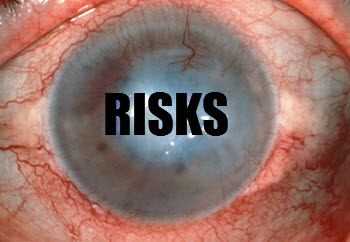
The misuse of decorative lenses can lead to an array of eye-related health complications. Some commonly encountered risks include:

Eye Infections: Decorative lenses can be a vector for bacterial infections. If these infections are left untreated, they could inflict considerable damage on the eyes.

Corneal Abrasions: Lenses that do not fit correctly can scratch the cornea, resulting in pain and discomfort.

Conjunctivitis: This condition, more commonly referred to as pink eye, can develop due to bacteria or viruses transferred via unclean lenses.

Vision Impairment: In extreme cases, mishandling decorative lenses can lead to irreversible vision loss.

Proper Use and Maintenance

Minimizing the risks associated with decorative lenses is plausible by adhering to specific guidelines.

Consultation with an eye care professional is highly recommended before starting to use decorative lenses. Proper fitting plays a crucial role in ensuring both comfort and safety. It is important to stick to the eye care provider’s guidelines regarding cleaning, storage, and wearing time limits. Sharing lenses with others is strongly discouraged.

Investing in lens care products endorsed by professionals can help maintain lens hygiene. It is also vital to ensure that hands are both clean and dry before handling lenses to preclude contamination.

Conclusion

Although decorative lenses present a fun and inventive approach to modify one’s appearance, prioritizing eye health remains paramount. Engaging an eye care professional’s guidance and strictly following the prescribed guidelines can substantially mitigate potential risks. By adopting these precautionary steps, individuals can safely enjoy the advantages of decorative lenses without compromising their eye health.

The increasing appeal of decorative lenses taps into the growing desire for personal expression through aesthetic alterations. However, this trend should not overshadow the responsibility that accompanies the use of such products. Recognizing the balance between style and safety ensures that users can sport decorative lenses with peace of mind.

As these lenses become more prevalent, it is crucial to cultivate awareness about their proper usage, potential risks, and the importance of regulatory compliances that aim to protect consumers. A responsible approach involves being informed about the risks and the maintenance practices that can prevent adverse effects.

Manufacturers and vendors also have a role to play in disseminating accurate information and ensuring their products meet safety standards. Clear labeling, comprehensive user instructions, and access to professional advice are essential components in promoting the safe enjoyment of decorative lenses.

Moreover, as the market for decorative lenses expands, it beckons a closer look from regulatory bodies to monitor compliance and enforce regulations that prevent unlicensed distribution. This oversight is integral in safeguarding public health, complementing the efforts of eye care professionals in promoting eye safety.

Ultimately, the intersection of fashion and health care in the realm of decorative lenses presents an opportunity for both users and providers to explore creative expression while upholding the standards of ocular health. As with any health-related product, informed choices and responsible use remain the bedrock of safe consumer experiences.

In summary, while decorative lenses offer a novel avenue for style enthusiasts to express individuality, it is incumbent upon users to ensure that their quest for cosmetic enhancement does not come at the cost of eye health. Through informed practices and a commitment to following professional advice, the vibrant world of decorative lenses can be navigated safely and responsibly.

How to check if decorative lenses are FDA-approved.

Understanding FDA Approval for Decorative Lenses

In today’s fashion-conscious world, decorative contact lenses are gaining significant popularity among individuals looking to enhance their aesthetic appeal. These lenses, sometimes referred to as cosmetic or colored lenses, do not correct vision but change the eye’s appearance. When considering purchasing these types of lenses, understanding the significance of FDA approval is crucial for safeguarding your eye health and safety. The FDA, which regulates various types of medical devices, considers all contact lenses—including decorative lenses—as medical devices. Therefore, they must meet certain safety and effectiveness standards before being marketed. Here’s an in-depth exploration of how you can ensure the decorative lenses you purchase are FDA-approved and safe for use.

Why FDA Approval Matters

Decorative lenses may seem harmless, serving primarily aesthetic purposes. However, the absence of FDA approval poses substantial risks to your ocular health. Wearing lenses that have not been approved by the FDA could lead to serious eye infections, cause red and itchy eyes, or even induce irreversible vision loss. The FDA classifies all types of contact lenses as class II or class III medical devices, requiring rigorous evaluation. An FDA approval signifies that the specific product has been thoroughly evaluated to ensure it meets safety standards and provides effectiveness according to its claims.

The potential dangers of wearing unapproved decorative lenses include corneal ulcers or abrasions, which could lead to permanent vision damage. Furthermore, these lenses may contain materials that do not allow sufficient oxygen to reach the eye, potentially resulting in reduced vision or even blindness. Hence, ensuring the product you choose is FDA-approved is critical in preventing hazardous consequences.

Steps to Verify FDA Approval

Finding reliable and safe decorative lenses necessitates verifying their FDA approval. Here are some practical steps to ascertain their approval status:

Consult Healthcare Providers

A key step in ensuring the safety of decorative lenses is consulting with trained eye care professionals. Optometrists or ophthalmologists are best placed to offer advice on safe, FDA-approved decorative lenses. They can perform fitting assessments to help procure lenses that not only augment your appearance but also do not compromise your eye health. By consulting healthcare providers, you gain access to their expertise and guidance on where to purchase approvals adhering decorative lenses.

Check with the FDA’s Website

The FDA offers a wealth of resources online, assisting users in verifying the approval status of medical devices, including contact lenses. Although there may not be a specific list dedicated to decorative lenses, the FDA’s database and contacts division offer insights into approved products. A diligent search on the FDA website can help confirm whether the brand or specific type of decorative lenses you are interested in is FDA-approved, aiding informed decisions.

Retailer Verification

Purchasing decorative lenses from reputable retailers is another means to ensure they are FDA-approved. Retailers specializing in optical products, such as licensed optical centers or established online contact lens suppliers, are more likely to sell approved lenses accompanied by valid prescription requirements. Be cautious with vendors that sell lenses without a prescription, as these are often found in costume or beauty stores and are less likely to offer FDA-approved options. Retailers with a history of supplying optical products are generally better equipped to provide guidance and approved options, ensuring safer lens choices.

Features of FDA-Approved Lenses

FDA-approved decorative lenses come with distinguishable features that signal their compliance with safety standards. These lenses typically include comprehensive packaging detailing the manufacturer’s information, prescription details, and safety instructions. This documentation indicates that the lenses have undergone necessary evaluations for their fit and composition. The proper fitting of lenses, guided by professional eye care providers, is crucial to avoid discomfort or injury.

Moreover, FDA-approved lenses are composed of materials that are breathable, allowing the eyes to receive adequate oxygen and minimizing the risk of damage. As packaging and labeling are legally required for approved lenses, scrutinizing these features can be an efficient way to verify their legitimacy and safety.

Risks of Non-Approved Lenses

Utilizing decorative lenses without FDA approval poses a spectrum of potential risks and complications. The absence of regulatory oversight means that the materials and manufacturing processes used in these lenses are not monitored, making them more likely to harbor harmful substances or allergens. Specific complications encountered with non-approved lenses include:

  • Eye Infections: Non-approved lenses can foster bacterial growth, leading to severe infections that require medical treatment.
  • Altered Vision: Wearing improperly fitted lenses can distort vision, leading to discomfort and a reduced ability to see clearly.
  • Corneal Damage: Non-approved lenses can induce corneal scratches or ulcers, eventually compromising vision quality.

These issues underscore the importance of choosing approved products that protect ocular health while offering cosmetic enhancement.

Conclusion

The growing allure of decorative contact lenses necessitates diligent verification to safeguard your eye health. Ensuring lenses are FDA-approved is an essential step in preventing potential hazards such as infections or vision loss. Consulting eye care professionals, exploring verification resources on the FDA’s website, and selecting products from credible retailers are vital measures in this process. These efforts provide assurance that the lenses you choose adhere to high safety and effectiveness standards, preserving the health and well-being of your eyes.

Being vigilant in your choice of decorative lenses helps maintain eye health while achieving your desired look. For further information and to keep abreast of the latest guidelines related to decorative lenses, consider visiting the FDA’s official website, which is a reliable source of updated regulatory insights and approvals.

The risks of using unapproved decorative lenses.

Understanding Decorative Lenses

Decorative lenses, often called costume or fashion lenses, have gained immense popularity, especially during occasions like Halloween or within the cosplay community. These lenses offer a simple yet effective manner to alter the color or pattern of one’s eye, adding a dramatic flair to any costume or look. However, despite their widespread use, these accessories can pose significant health risks, particularly if they are not properly vetted and approved by health authorities.

Approval and Regulation

In several countries around the world, decorative lenses are classified as medical devices. This classification necessitates that they receive approval from appropriate health authorities, such as the Food and Drug Administration (FDA) in the United States. The process of obtaining such approval is rigorous, involving a series of tests that evaluate the safety, effectiveness, and quality of the lenses. A lack of approval means that these products have not been adequately tested, potentially posing substantial risks to users who choose to wear them.

Potential Health Risks

The decision to utilize unapproved decorative lenses is fraught with potential dangers. Several eye health issues may arise from using these products:

Eye Infections: Some lenses are produced in non-sterile environments, allowing bacteria to thrive and potentially cause serious infections.
Corneal Abrasion: In some cases, lenses of inferior quality may scratch the cornea, the transparent layer that covers the iris and pupil of the eye.
Vision Impairment: Ill-fitting or poorly designed lenses can compromise a person’s vision, manifesting as discomfort or even blurred vision.
Blindness: In extreme scenarios, severe infections or eye trauma resulting from the use of unapproved lenses can lead to irreversible vision loss.

Importance of Professional Fitting

It is imperative to stress that even decorative lenses with the necessary approvals require a professional fitting. An eye care professional is able to measure each eye accurately, ensuring that the lenses sit properly and do not exert undue pressure or cause friction. Such complications are common culprits of eye irritation and injury. A professional fitting also ensures that instructions concerning lens hygiene and maintenance are clearly conveyed to the wearer, further reducing the risk of potential complications.

Safer Alternatives

For those intrigued by the allure of decorative lenses, a safer path exists by purchasing lenses from reputable suppliers who adhere to regulatory standards. Consultation with an eye doctor is also recommended to receive guidance on achieving the perfect fit and to access proper care instructions. By adhering to these precautions, users can safeguard their eyes and preserve their long-term vision health.

For enthusiasts seeking dramatic eye color transformations, there are numerous technologically advanced and approved products available on the market. These lenses combine safety and visual appeal, allowing users to achieve stunning effects without compromising their eye health. Ensuring that these lenses are FDA-approved or meet similar regulatory standards in other countries provides an added layer of assurance to users.

As the popularity of decorative lenses continues to soar, it remains of paramount importance that potential wearers are made aware of the dangers associated with non-approved products. Selecting approved options and adhering to professional guidance not only protects the eyes but also ensures that these fashion statements can be enjoyed safely. It is through careful consideration and responsible choices that individuals can continue to embrace the fashion potential of decorative lenses without putting their eye health at risk.

How to clean and store decorative eye lenses.

Introduction

Decorative eye lenses, also commonly referred to as cosmetic or colored contact lenses, have surged in popularity over recent years. This trend is largely due to their notable ability to enhance or transform the natural appearance of one’s eyes. With a broad array of colors and designs available, these lenses cater to both subtle enhancements and dramatic transformations, resonating with a diverse audience.

For those who own decorative eye lenses, understanding and implementing proper cleaning and storage methods are critical. These practices are not only essential for maintaining optimal eye health but also for extending the life and safe usability of the lenses.

Why Proper Maintenance is Necessary

Wearing decorative eye lenses without appropriate maintenance can pose several risks. Neglecting cleanliness and correct storage can lead to various complications such as eye infections, irritation, and potentially severe long-term vision problems. It is imperative to emphasize that proper care of these lenses is indispensable. By adopting consistent and correct lens maintenance routines, users can ensure their decorative lenses remain both comfortable and safe for extended use.

Cleaning Decorative Eye Lenses

One of the foundational steps in maintaining decorative lenses is knowing how to clean them effectively. Cleaning protocols may vary slightly based on the specific material from which the lenses are made, highlighting the importance of referring to the manufacturer’s guidelines. Here is a foundational approach:

Begin the process by thoroughly washing your hands with soap and water. Ensuring clean hands is fundamental as it prevents the transfer of debris and bacteria onto the lenses. Following the wash, dry your hands using a lint-free towel to avoid any fibers adhering to the lenses.

Once your hands are clean and dry, carefully remove the lens from your eye and place it in the palm of your hand. Proceed to apply a few drops of a recommended contact lens solution onto the lens. With the lens in your palm, gently rub it with your index finger using a circular motion for approximately 20 seconds to remove any surface deposits. Next, rinse the lens thoroughly with the solution to ensure all debris is effectively removed.

Choosing the Right Solution

Contact lens solutions vary significantly, making it vital to select the appropriate one for your lenses. The solution recommended by either your eye care professional or the lens manufacturer is always the best choice. When choosing a solution, focus on disinfecting solutions tailored specifically for soft lenses. These are effective in removing debris and eliminating harmful microorganisms, which is crucial for maintaining lens hygiene.

Storing Decorative Eye Lenses

Equally important as cleaning is the proper storage of decorative lenses. Once the lenses have been cleaned, they should be stored in a clean lens case filled with fresh contact lens solution. This step prevents the accumulation of bacteria, which can compromise both the lens material and your eye health.

Regular replacement of your lens case is essential to prevent bacterial build-up – ideally, this should occur every three months. Employing this practice ensures that the case does not become a breeding ground for bacteria over time.

Key Storage Considerations

When storing lenses, it is important to avoid using tap water. Tap water may contain bacteria and other potential pathogens, which could lead to infections. Instead, always store your lenses in a solution specifically designed for this purpose.

Lenses should be stored in a cool and dry location. Additionally, exposure to direct sunlight should be avoided, as this can degrade the material of the lenses over time. Following these storage considerations help ensure the integrity of the lenses is maintained.

Additional Tips

While the daily cleaning and proper storage routine are core components of lens maintenance, other practices can further enhance lens safety. Always adhere to the recommended duration for wearing your lenses, and remove them before sleeping unless the lenses are explicitly designed for overnight use. This minimizes irritation and promotes eye health.

Regular eye examinations are also a prudent practice. These check-ups ensure that your eyes remain healthy and that the lenses are not causing any unforeseen issues, allowing for the continuous safe use of decorative lenses.

Conclusion

Maintaining both the cleanliness and appropriate storage of decorative eye lenses is indispensable for preserving eye health and ensuring the longevity of the lenses. By implementing these guidelines diligently, you can enjoy a safe and comfortable experience with your decorative lenses. Should you have any additional questions or need further clarification, it is always recommended to consult with an eye care professional.

The importance of hygiene when using decorative lenses.

The Importance of Hygiene When Using Decorative Lenses

Decorative lenses, often referred to as cosmetic or fashion lenses, have gained popularity for their ability to change the appearance of the eyes. While they can enhance one’s look, it’s crucial to understand the significance of proper hygiene to prevent infections and ensure ocular health.

Understanding Decorative Lenses

Decorative lenses are fashion accessories worn to alter the color or design of the eye. Unlike prescription contact lenses, they do not correct vision but are available in various patterns and colors for aesthetic purposes. Despite being non-corrective, they are still considered medical devices, which means they must be handled with care.

Potential Risks Without Proper Hygiene

Using decorative lenses without proper hygiene can lead to several eye health issues. Infections, which can be caused by bacteria, fungi, or other pathogens, are a primary concern. These microorganisms can easily adhere to lenses, leading to conditions such as keratitis, an infection that can damage the cornea if not properly treated. Users must be diligent because infections can start subtly and progress quickly, often requiring medical intervention to prevent lasting damage.

Corneal abrasions are another risk associated with poor hygiene. These occur when foreign particles contaminate lenses and scratch the cornea during use. Such abrasions not only cause significant discomfort but also create an entry point for infections, compounding the risk to the wearer’s vision.

Allergic reactions are possible when cleanliness is not prioritized. The use of unclean solutions or improper cleaning methods can lead to allergic reactions. These reactions can manifest as redness and itching, significantly affecting the wearer’s comfort and eye safety.

Essential Hygiene Practices

To minimize the risks associated with decorative lenses, it’s vital to follow specific hygiene practices. Here are some essential steps:

Proper Cleaning and Storage: It is critical to always clean lenses with solutions specifically recommended for that purpose. Common solutions usually contain disinfectants designed to remove deposits, destroy harmful microorganisms, and rinse away debris from the lens surface. Importantly, one should never resort to using water, saliva, or household liquids to clean lenses as they are not sterile and can introduce hazardous microorganisms to the lenses. The lens storage case plays a significant role in hygiene practices by providing a safe, clean environment while lenses are not in use; thus it is important to replace the storage solution daily.

Hand Hygiene: The importance of clean hands during lens handling cannot be overstated. Before touching lenses, wash your hands thoroughly with soap and water, ensuring all soap is rinsed off to avoid any residue. Be sure to dry them with a lint-free towel to eliminate the risk of transferring dirt or bacteria from your hands to the lenses. This simple practice is instrumental in preventing the spread of pathogens to the eye.

Avoid Sharing: Sharing decorative lenses with others is strongly discouraged. Sharing can lead to the transmission of harmful bacteria and viruses that can result in serious eye infections. Each individual’s eye carries unique bacterial flora, and transferring lenses can disrupt this balance, leading to infections.

Regular Replacement: Adhering to a lens replacement schedule is equally important as basic hygiene. Follow the lens replacement schedule prescribed by your eye care professional. Outdated lenses may become breeding grounds for bacteria and lose their structural integrity, raising the risk of complications during use.

Consultation and Purchase

Always consult an eye care professional before using decorative lenses, even if they are not intended for vision correction. A professional consultation ensures that the lenses fit correctly and provides an opportunity to discuss any eye health concerns. An ill-fitting lens can lead to discomfort and potential damage to the surface of the eye.

Purchasing lenses from reputable sources is fundamental in safeguarding ocular health. Ensure that the vendor complies with regulatory standards set for contact lenses. This is crucial since lenses acquired from unauthorized sellers may be of inferior quality, posing substantial risks to users. Unauthorized providers may also not provide adequate information on proper lens care, increasing the likelihood of poor hygiene practices.

For more information on eye health, you can visit trusted organizations like the American Academy of Ophthalmology. They offer important guidelines and support resources focused on maintaining ocular health.

By adhering to these hygiene practices, users can enjoy the aesthetic benefits of decorative lenses while minimizing potential harm to their eye health. It’s important to remember that maintaining proper lens hygiene isn’t just about comfort; it’s about protecting your vision. Proper hygiene practices create a safer experience for the user, uphold the quality of the lenses for longer periods, and ensure that the risk of infection remains low during the use of decorative lenses.

Beyond the personal level, adopting good hygiene habits forms part of wider public health practices, by reducing unintentional participation in the spread of potential infectious agents. The combination of fitting consultation, informed purchasing, and thorough upkeep plays a crucial role in how effectively these decorative lenses can be enjoyed, ensuring that they remain a safe and fun fashion statement.

Common materials used in decorative eye lenses.

Introduction to Decorative Eye Lenses

Decorative eye lenses, often referred to as cosmetic or colored contact lenses, have gained significant popularity for both cosmetic and theatrical purposes. Unlike regular corrective contact lenses designed to improve vision, decorative lenses are primarily used for aesthetic enhancements. They not only enhance or change eye color but also enable users to achieve various looks, ranging from subtle changes to dramatic transformations. As fashion and self-expression evolve, more people find unique ways to complement their appearance, and these lenses provide a relatively simple yet effective means to do so. The variety of colors and designs available cater to diverse preferences, whether one is aiming for a natural eye color enhancement or a bold, theatrical look. Moreover, the materials used in manufacturing these lenses are crucial for user comfort, safety, and visual effectiveness, ensuring that they don’t just look good but are also safe and comfortable to wear.

Basic Components of Decorative Eye Lenses

Many decorative eye lenses are made from similar materials to corrective lenses, although specific components may vary depending on the desired appearance and usage. Generally, the primary materials used are chosen for their oxygen permeability, durability, and comfort. Given that these lenses are worn directly on the eye, material selection plays a crucial role in ensuring the wearer can enjoy the lenses without sacrificing eye health and comfort.

Hydrogel Polymers

Hydrogel polymers are among the most common materials used in the construction of decorative eye lenses. These polymers are renowned for their ability to contain a significant amount of water, which effectively helps the lens remain soft and comfortable when placed on the eye. The hydrophilic (water-attracting) properties of hydrogel materials make them ideal for prolonged wear. One of the most well-known hydrogel polymers is HEMA (hydroxyethyl methacrylate). HEMA is celebrated for its balanced flexibility and ease of handling, which simplifies both the manufacturing process and the user’s experience. Comfort being a primary consideration, hydrogel polymers ensure that users can wear the lenses for extended periods without experiencing discomfort or dryness.

Silicone Hydrogel

Silicone hydrogel lenses represent an advanced version of traditional hydrogel lenses. By combining hydrogel’s comfortable properties with silicone, these lenses allow for significantly higher oxygen transmissibility. The inclusion of silicone increases the breathability of the lens considerably, which is a substantial advancement as it enables longer lens wear without compromising the health of the eye. Importantly, these lenses are ideal for users desiring to wear decorative lenses frequently or for extended periods. The ability to cater to longer usage periods makes silicone hydrogel lenses a preferred choice for many, providing both aesthetic appeal and ongoing comfort.

Rigid Gas Permeable (RGP) Materials

RGP materials, though less commonly used in decorative lenses due to their inherent rigidity, offer certain advantages. These materials are utilized in specialty lens applications, allowing oxygen to pass through to the cornea, though not as effectively as the silicone hydrogel variants. However, what RGP lenses may lack in flexibility, they make up for in durability and the quality of vision provided. The sharper vision and longevity provided by RGP lenses can be particularly useful for specific theatrical applications where detail and clarity are paramount.

Color and Design Application

The inclusion of color in decorative lenses requires specific manufacturing techniques designed to ensure that pigments are securely embedded within the lens material. This design prevents direct contact with the eye, thus maintaining ocular safety while achieving vibrant colors or unique patterns. Such preventive measures help maintain the integrity of the eye’s natural barrier, ensuring that the lenses are both safe and visually appealing.

Layered Pigmentation

The majority of decorative lenses utilize a multi-layer coloration process. This process involves the careful placement of color between layers of the lens material, providing additional protection and ensuring that the vibrancy of the color does not diminish easily over time. Advances in printing technology have contributed significantly to the creation of more natural appearances and intricate designs, allowing users to choose from a wide array of aesthetic effects. The embedding of color in layers further ensures the lens’s durability and the vibrancy of designs, enhancing both practicality and visual appeal.

Dot Matrix Patterns

The use of dot matrix patterns in decorative lenses allows them to replicate the intricate, natural patterns of the human iris, enhancing realism. This technique involves the precise arrangement of small dots on the lens, maintaining the wearer’s vision clarity by ensuring the central part of the lens remains clear. Dot matrix patterns offer a higher degree of naturalness and are an essential feature of lenses designed to subtly alter eye color while maintaining a lifelike appearance.

Safety and Regulatory Considerations

Safety and regulatory compliance are crucial when it comes to choosing decorative eye lenses. In various regions worldwide, including the United States, decorative lenses fall under the category of medical devices. This classification necessitates approval from governing bodies such as the FDA (Food and Drug Administration). Such oversight ensures that the lenses meet strict safety standards and are free from harmful substances that could jeopardize users’ eye health. Users must remain informed and vigilant when selecting lenses, preferring only those that adhere to such regulations and ensuring compatibility with their individual needs and conditions. This way, potential complications are minimized, and the joy of altering appearance through decorative lenses can be experienced safely.

Conclusion

The development of decorative eye lenses combines meticulous selection of materials with advanced manufacturing techniques, all designed to ensure comfort, safety, and aesthetic appeal. By understanding the materials used in their manufacture, consumers can make informed choices, ensuring optimal satisfaction and protection of eye health. From the more common hydrogel to advanced silicone hydrogel materials and specialty RGP applications, each option offers unique benefits suited to diverse preferences and needs. As decorative lenses continue to evolve, users are presented not only with a wider range of visual effects but also with advancements that promise enhanced safety and comfort.